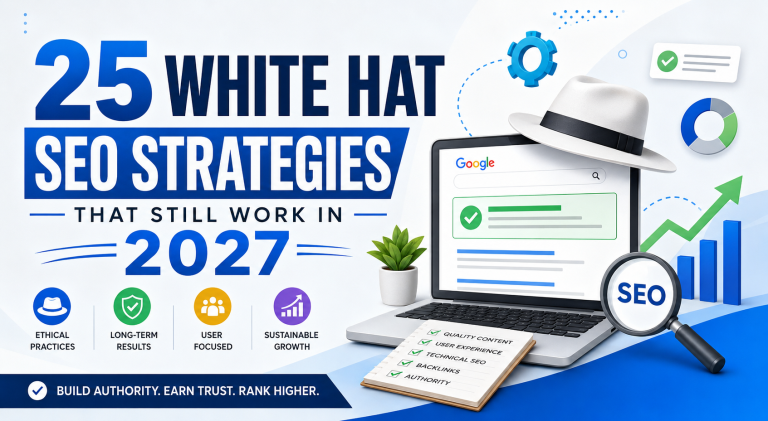
On-Page SEO Factors You Must Optimize for Success Key Takeaways
On-page SEO is the practice of optimizing individual web pages to rank higher and earn more relevant traffic in search engines.
- Focus on user intent and keyword placement to maximize visibility.
- Header tags , meta tags , and internal linking are non-negotiable for structure and crawlability.
- Page speed and mobile SEO directly impact both rankings and user experience.
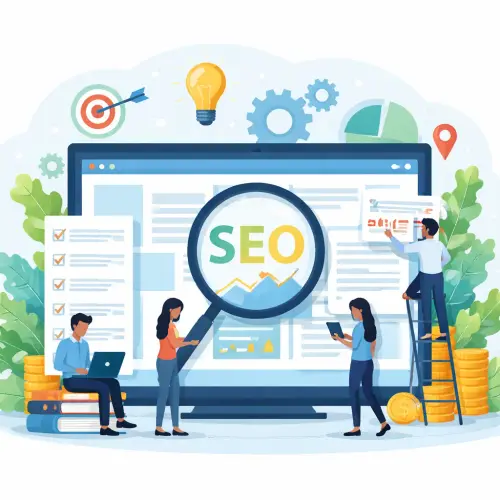
Why the On-Page SEO Factors You Must Optimize for Success Matter Now More Than Ever
Search engines have evolved far beyond simple keyword matching. Google’s ranking systems now evaluate hundreds of signals to determine which pages best answer a user’s query. Among those signals, on-page elements remain the most controllable and impactful levers you can pull. If you ignore these factors, even the best off-page SEO strategy will struggle to deliver results.
For SEO professionals, digital marketers, content creators, and website owners, understanding the key SEO factors within your control is the first step toward sustainable growth. In this guide, we break down the seven essential on-page components that every successful website must optimize. Each factor includes clear definitions, why it matters, and actionable steps you can implement today. For a related guide, see 12 On-Page SEO Mistakes: What to Do and What to Avoid.
Factor 1 — Content Optimization: The Heart of Every Page
Content is the reason people visit your site. Without high-quality, relevant content, no other on-page effort will compensate. Content optimization means crafting text, images, and multimedia that satisfy user intent while naturally incorporating your target keywords.
Understand Search Intent First
Before you write a single word, identify whether users are looking for information, a product, a specific website, or a transaction. Matching intent is a major SEO ranking factor. For example, a blog post about “best running shoes” should compare top models (informational/commercial mix), not just list shoe brands without context.
Keyword Optimization Without Stuffing
Place your primary keyword in the first paragraph, one H2, and naturally throughout the body. Use LSI terms like “footwear reviews,” “cushioning,” and “trail running” to build topical relevance. Tools like Google’s “People also ask” boxes and Ahrefs’ keyword explorer can reveal related phrases.
Structure for Readability
Break content into short paragraphs (2–4 sentences), use bullet points for lists, and include visuals that support the text. This approach improves both user engagement and crawlability. Always include a clear call to action that guides the reader to the next step.
Factor 2 — Meta Tags: Your First Impression in Search Results
Meta tags, including the title tag and meta description, are HTML elements that summarize a page’s content for search engines and users. They appear in SERPs and influence click-through rates directly.
Crafting a Winning Title Tag
Your title tag should be under 60 characters, include the focus keyword near the beginning, and entice clicks. For example: “7 Essential On-Page SEO Factors You Must Optimize for Success | 2025 Guide.” Avoid generic titles like “SEO Tips.”
Writing Compelling Meta Descriptions
Although not a direct ranking factor, a strong meta description improves organic CTR. Keep it between 150–160 characters, include the keyword naturally, and end with a benefit-driven phrase. Use active voice and address the reader directly.
Factor 3 — Header Tags: Organizing Your Content for SEO and UX
Header tags (H1 through H6) create a logical content hierarchy. They help search engines understand the structure of your page and make it easier for users to scan. Each page should have one H1 (the post title), followed by H2s for main sections and H3s for subsections.
Best Practices for Header Tag Usage
Use descriptive H2s that contain your target keyword or a close variant. For instance, “Why the On-Page SEO Factors You Must Optimize for Success Matter Now More Than Ever” is both keyword-rich and compelling. Avoid skipping heading levels — never jump from H2 to H4. Space headings with at least one paragraph of content between them.
Common Mistakes to Avoid
Don’t stuff every header with keywords. Write naturally for humans first. Also, avoid using header tags purely for styling — use CSS for visual hierarchy instead. This keeps your HTML semantic and accessible.
Factor 4 — Internal Linking: Building a Strong Site Architecture
Internal linking connects pages within your domain, helping both users and search engines navigate your content. A well-planned internal linking strategy distributes link equity and improves the crawlability of deeper pages.
Strategic Link Placement
Link from high-authority pages (like your homepage or pillar content) to newer or less visible posts. Use descriptive anchor text that includes relevant keywords but remains natural. For example, instead of “click here,” use “learn more about on-page SEO tips for small businesses.”
Link Silos and Topic Clusters
Group related content into topic clusters. A pillar page covering “On-Page SEO” can link to cluster pages about meta tags, header tags, and page speed. This signals topical authority to search engines and improves user experience.
Factor 5 — Page Speed: A Critical SEO Optimization Factor
Page load time is a confirmed ranking signal for both desktop and mobile searches. Slow pages frustrate users and increase bounce rates. According to Google, the probability of bounce increases by 32% as page load time goes from 1 to 3 seconds.
How to Improve Page Speed
Compress images using modern formats like WebP, leverage browser caching, minify CSS and JavaScript, and use a content delivery network (CDN). Tools like Google PageSpeed Insights and GTmetrix provide specific recommendations. Aim for a load time under 2.5 seconds.
Impact on User Experience for SEO
Fast loading times directly improve user experience for SEO. When pages load quickly, visitors are more likely to engage, share, and convert. Google’s Core Web Vitals — Largest Contentful Paint, First Input Delay, and Cumulative Layout Shift — are now part of the ranking algorithm.
Factor 6 — Mobile SEO: Optimizing for Every Screen
Over 60% of organic search traffic now comes from mobile devices. Google uses mobile-first indexing, meaning the mobile version of your site is the primary version considered for ranking. If your site is not mobile-friendly, you are losing traffic.
Responsive Design Is Non-Negotiable
Ensure your theme and content adapt smoothly to any screen size. Test your site using Google’s Mobile-Friendly Test. Pay attention to font sizes, button spacing, and the readability of tables or forms on small screens.
Mobile Page Speed Considerations
Mobile users often have slower connections. Minimize heavy scripts, enable lazy loading for images, and reduce server response times. A fast mobile experience is a core part of SEO best practices in 2025.
Factor 7 — User Experience for SEO: The Overarching Signal
User experience (UX) ties all other on-page factors together. If visitors find your content hard to read, slow to load, or difficult to navigate, they will leave quickly. Bounce rate, dwell time, and click-through rate are all behavioral signals that search engines interpret as measures of quality. For a related guide, see On-Page SEO Content Optimization Made Easy (2026 Guide).
Design for Clarity and Trust
Use clear navigation, readable fonts, and a clean layout. Avoid intrusive interstitials that block content. Add social proof, author bios, and citations to build credibility. Every element should serve the user’s goal.
Leverage an On-Page SEO Checklist to Stay Consistent
Create a reusable checklist that includes each of the seven factors: content optimization, meta tags, header tags, internal linking, page speed, mobile SEO, and UX. Run this checklist every time you publish a new page or update an existing one. Consistency is the key to long-term ranking improvements.
Useful Resources
For further reading on SEO content strategy and technical implementation, explore these credible sources:
- Google’s SEO Starter Guide — Official guidance from Google on fundamental best practices.
- Moz Beginner’s Guide to SEO — Comprehensive introduction to SEO fundamentals, updated annually.
Frequently Asked Questions About On-Page SEO Factors You Must Optimize for Success
What are the most important on-page SEO factors in 2025?
The most important factors include high-quality content optimized for search intent, proper use of header tags and meta tags, fast page speed, mobile-friendly design, strategic internal linking, and a positive user experience. All of these contribute to better rankings and engagement.
How do meta tags affect SEO?
Meta tags like title tags and meta descriptions influence click-through rates from search results. While the description is not a direct ranking signal, a compelling snippet increases organic traffic, which can indirectly improve rankings over time.
Does header tag order really matter?
Yes. Using a logical hierarchy (H1, then H2, then H3) helps search engines understand page structure and improves accessibility for screen readers. Avoid skipping levels or using multiple H1s on a single page.
What is the ideal page load time for SEO?
Google recommends pages load in under 2.5 seconds on mobile and under 2 seconds on desktop. Faster load times correlate with lower bounce rates and higher conversion rates.
How many internal links should a page have?
There is no fixed number, but aim for 2–5 relevant internal links per 1,000 words. The more contextually useful the links are, the better. Avoid excessive linking that distracts from the main content.
What is the difference between on-page and off-page SEO?
On-page SEO refers to optimizations made directly on your website (content, HTML, speed). Off-page SEO involves external signals like backlinks, social shares, and brand mentions. Both are essential for top rankings.
Can I rank without optimizing for mobile?
No. Google uses mobile-first indexing, so the mobile version of your site is the primary version used for ranking. If your site is not mobile-friendly, you will likely rank lower.
What are LSI keywords?
LSI (Latent Semantic Indexing) keywords are terms related to your main keyword. They help search engines understand the context of your content. Examples for “on-page SEO” include “meta tags,” “page speed,” and “header tags.”
How often should I update my on-page SEO?
Review your on-page SEO at least once per quarter. Major algorithm updates, changes in user behavior, or shifts in your business goals may require more frequent updates. Regular refreshes keep content competitive.
Does duplicate content hurt on-page SEO?
Yes. Duplicate content confuses search engines and dilutes ranking signals. Use canonical tags to indicate the preferred version of a page, and avoid publishing the same content on multiple URLs.
What is a title tag?
A title tag is an HTML element that specifies the title of a web page. It appears as the clickable headline in search results and is a critical on-page ranking factor. Keep it under 60 characters.
How do I optimize images for SEO?
Use descriptive file names, include alt text that describes the image, compress images to reduce file size, and use responsive image formats like WebP. This improves page speed and accessibility.
Is keyword density still important?
Keyword stuffing is penalized. Instead of focusing on density, aim for natural, contextual usage. Place the keyword in the title, first paragraph, and one heading, then use related terms throughout.
What are Core Web Vitals?
Core Web Vitals are a set of real-world metrics measuring loading performance (LCP), interactivity (FID), and visual stability (CLS). They are part of Google’s page experience signals and affect rankings.
How can I improve user experience for SEO ?
Focus on fast load times, clear navigation, readable fonts, no intrusive pop-ups, and content that directly answers user questions. Good UX keeps visitors on your site longer, signaling quality to search engines.
What is a meta description?
A meta description is a short summary of a page that appears below the title tag in search results. While not a direct ranking factor, it influences click-through rates. Keep it under 160 characters.
Do header tags help with featured snippets?
Yes. Clear, descriptive header tags often appear within featured snippets, especially when you answer a specific question under an H2 or H3. Use question-based headers to increase snippet opportunities.
Should I use exact match keywords in anchor text?
Use exact match anchor text sparingly. Over-optimization can appear manipulative. Instead, use natural variations like “learn more about on-page SEO,” “check our guide,” or “read the full case study.”
What is the role of schema markup in on-page SEO?
Schema markup helps search engines understand the context of your content and can generate rich snippets in search results, such as star ratings, FAQs, and recipe details. It is a powerful SEO optimization technique.
Can I do on-page SEO without technical knowledge?
Yes, many elements like content writing, header structure, and internal linking can be handled by content creators. For technical aspects like page speed and schema markup, consider working with a developer or using SEO plugins.