In 2026, link building in 2026 still matters, but success depends on relevance, authority, and editorial context rather than raw link volume. Focus on earning natural links from trusted, niche‑relevant sites via digital PR, high‑quality guest posting, and strong content, then support them with smart internal linking and topic clusters.
Table of Contents
Link building in 2026 is not merely a task but an ongoing commitment to quality and relevance in content.
In summary, link building in 2026 requires a strategic approach that aligns with evolving search engine algorithms.
Why Link Building Still Matters in 2026
For more than a decade, SEO professionals have repeatedly heard that link building is “dead.” Yet in 2026, backlinks still play a major role in how search engines discover content and assess which pages deserve visibility—just not in the simplistic way they once did. With Google’s AI‑driven ranking systems, entity understanding, and generative search experiences deeply embedded into search results, link building has evolved into a discipline centered on trust, relevance, and authority rather than volume or manipulation.

By reviewing the latest strategies in link building in 2026, businesses can identify the most effective ways to boost their SEO efforts.
Furthermore, understanding the nuances of link building in 2026 is crucial for staying ahead in the competitive digital landscape.
As we delve into link building in 2026, it’s clear that quality and relevant connections will reign supreme over sheer numbers.
Modern SEO link building is no longer about chasing metrics or exploiting loopholes. Instead, it focuses on earning high‑quality backlinks, strengthening topical authority, and supporting EEAT (Experience, Expertise, Authoritativeness, and Trustworthiness). This guide explains what has changed, what still works, and how to build links that remain effective—even as AI continues to reshape search.
With the right approach, link building in 2026 can yield significant returns on investment.
For businesses striving for visibility, mastering link building in 2026 is not just recommended, it’s essential.
How Link Building Has Changed in the AI Era
The rise of AI has fundamentally transformed how Google evaluates links. Search algorithms now rely heavily on machine learning, natural language processing (NLP), and entity relationships to assess credibility and relevance.
The evolution of link building in 2026 demands a focus on strategy over simplicity.
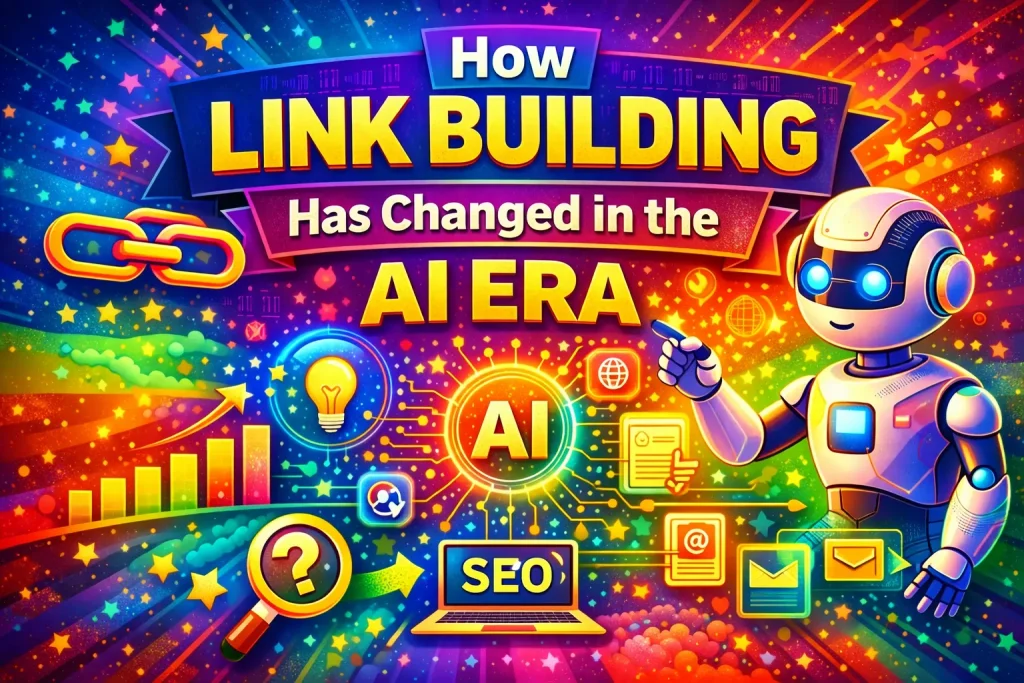
In earlier years, link building strategies often emphasized quantity. Today, AI‑era link building prioritizes meaning and context, with Google far more capable of understanding whether a backlink exists to genuinely recommend content—or to manipulate rankings.
Key changes include:
- A shift from link volume to relevance‑based links
- Reduced reliance on exact‑match anchor text as a primary signal
- Greater emphasis on editorial backlinks from trusted, topic‑relevant sources
- Links acting as reinforcement signals alongside many other ranking inputs
These shifts make algorithm‑resilient link building essential for long‑term SEO success.
Successful link building in 2026 requires deeper insights into audience needs and content that resonates.
The principles of link building in 2026 will define how businesses interact with their audiences online.
Ultimately, link building in 2026 is about crafting meaningful relationships and creating value for users.
Engaging content that supports link building in 2026 is key to attracting the right audience.
Effective link building in 2026 requires flexibility and adaptability to changing market dynamics.
By emphasizing quality link building in 2026, brands can enhance their reputations and strengthen their online presences.
Are Backlinks Still a Ranking Factor in 2026?
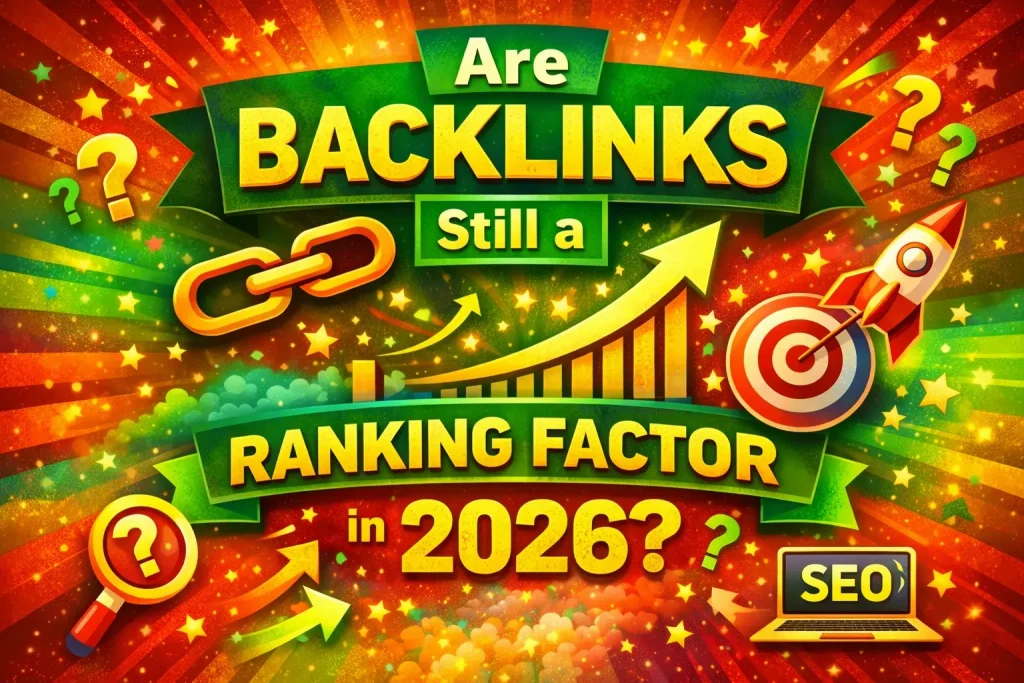
Backlinks continue to play an important role in how Google discovers pages and evaluates which content is helpful and worthy of visibility. According to the official.
Google SEO Starter Guide, Google primarily finds new pages through links from other pages it has already crawled, and other sites linking to you is something that tends to happen naturally over time.
Ultimately, link building in 2026 will pivot on the principles of trust and authority within the digital space.
Rather than functioning as a shortcut, backlinks in 2026 work alongside:
- Content quality and originality
- Entity recognition and topical depth
- User engagement and satisfaction signals
- Brand authority, mentions, and overall reputation
In competitive industries, a small number of strong, editorial backlinks still separate average sites from top‑ranking ones—provided they are earned in ways that align with Google’s search fundamentals and policies.
What Google Values in Links Today
Relevance and Context
Relevance is the single most important factor in modern link evaluation. A single contextual backlink from a highly relevant page can outperform dozens of unrelated links from off‑topic domains.
Google evaluates:
Link building in 2026 is a journey of cultivating relationships and delivering authentic value to users.
- Topical alignment between the linking site and the target page
- Semantic context in the surrounding copy
- Natural, descriptive anchor text that fits the sentence
The future of link building in 2026 will be shaped by those who prioritize integrity and user experience.
This is why contextual backlinks and relevance‑based links consistently outperform links placed without editorial purpose or topical fit.
Authority and Trust (EEAT Signals)
EEAT plays a direct role in how link value is interpreted. Links from trusted sources reinforce credibility and contribute to topical authority. High‑value links typically come from:
- Industry publications and reputable blogs
- Recognized brands in your niche
- Expert‑driven content authored by subject‑matter specialists
- Trusted organizations, institutions, and associations
These authoritative backlinks support rankings and improve eligibility for AI‑generated search features that surface high‑trust content.
Natural Link Profiles
A healthy backlink profile in 2026 looks organic and varied. This includes:
- Diverse, human‑readable anchor text (brand, URL, partial‑match, and topical phrases)
- Steady, believable link velocity rather than sudden spikes from low‑quality sources
- Editorial placement within body content instead of boilerplate or footers
- A mix of branded and non‑commercial anchors
Over‑optimized profiles and manipulative patterns are easily detected by AI systems such as SpamBrain, making natural link profiles a necessity rather than an option.
A Simple Framework to Judge Any Potential Link

Before chasing any backlink, run it through this R‑A‑T‑E checklist: relevance, authority, traffic, and editorial nature.
Ask:
- Relevance: Is the page clearly about a topic related to mine?
- Authority: Is this a respected, genuine site with real editorial standards?
- Traffic: Does this page or site attract real visitors who might click through?
- Editorial: Is the link earned within the content, not bought, swapped, or auto‑inserted?
Attention to link building in 2026 will yield opportunities for growth and innovation in digital marketing.
If you cannot confidently answer “yes” to at least three of these, the link is unlikely to help you in the long term—and may increase risk.
Proven Link Building Strategies That Still Work in 2026
Digital PR and Link Earning
Digital PR link building is one of the most effective and future‑proof strategies available today. Instead of asking for links directly, brands earn them through genuinely newsworthy, data‑backed, or uniquely insightful content.
Effective digital PR assets include:
- Original data studies and surveys
- Industry benchmark reports and indices
- Expert commentary on emerging trends
- Thought leadership content that offers a new angle on known topics
Because these links are editorial and voluntary, they are highly trusted by search engines and support both EEAT and brand visibility. The primary goal of digital PR is to earn coverage in reputable media outlets and build brand credibility, with backlinks and referring domains as a powerful byproduct.
High‑Quality Guest Posting (Done Right)
Guest posting still works when executed with a focus on value and relevance rather than anchor‑text manipulation. In 2026, effective guest posting involves:
- Publishing on real sites with genuine audiences in your niche
- Providing expert‑level content that you would proudly host on your own site
- Using natural, descriptive anchors instead of keyword‑stuffed phrases
- Prioritizing referral traffic, brand exposure, and relationships over domain metrics alone
When done correctly, guest posting supports content‑driven link building, thought leadership, and audience growth at the same time.
Content‑Led Link Building
In modern SEO, links follow content quality. Creating linkable assets is one of the safest, most scalable approaches to acquiring links. High‑performing assets include:
- In‑depth guides that become go‑to references in your niche
- Research‑based articles and data visualizations
- Tools, calculators, and interactive resources
- Frequently updated evergreen resources and “hubs”
Refreshing and expanding existing content can also attract new editorial backlinks without extensive outreach, especially when you provide unique data or insights others want to cite.
Resource Page and Niche Authority Links
Relevant resource pages and niche authority sites remain a solid tactic when approached carefully. Focus on:
- Industry‑specific resource lists and libraries
- Educational pages from universities, associations, and NGOs
- Professional organizations, standards bodies, or communities in your field
Avoid generic, low‑quality directories and “link lists,” which often contribute to spammy link signals and provide little real value.
Link Building Tactics That No Longer Work (or Are High Risk)

AI‑driven spam detection has made many older tactics ineffective—or outright dangerous.
High‑risk practices include:
- Paid link networks and obvious “advertorial” links sold purely for ranking
- Private Blog Networks (PBNs) created only to pass PageRank
- Mass outreach automation and templated spam emails at scale
- Low‑quality niche edits inserted into thin or irrelevant content
- Thin guest posts on sites with no real editorial standards
Google’s spam policies for web search
and the December 2024 spam update highlight how systems like SpamBrain continually neutralize low‑quality, manipulative links, often without any manual action. The benefits from such links can be removed permanently, even if they are later disavowed.
How AI Is Influencing Link Evaluation
AI now evaluates backlinks through a semantic lens, looking beyond the mere presence of a hyperlink. Instead of asking “Is there a link?”, algorithms increasingly ask:
- Does this link make sense contextually within the content?
- Does it reinforce the topical authority of the source and target pages?
- Is it editorial, voluntary, and user‑helpful—or manipulative and transactional?
In 2026, links function as trust reinforcement signals and discovery pathways, not ranking shortcuts. This is why AI search optimization and ethical link earning go hand in hand.
Tools and Metrics for Smarter Link Building in 2026
Successful link building today is data‑driven and integrated into your broader SEO strategy. Common tasks include:
- Backlink profile analysis to understand your current strengths and gaps
- Competitor backlink research to uncover realistic opportunities
- Anchor text optimization to keep profiles natural and user‑friendly
- Backlink audits to identify risky or low‑value links
- Monitoring link velocity and new referring domains over time
Widely used tools include:
- Ahrefs for comprehensive backlink analysis and competitive research
- Semrush for backlink, keyword, and competitor insights
- Moz for authority metrics and link data
Rather than chasing domain metrics alone, focus on relevance, traffic potential, and editorial placement when evaluating opportunities.
Real‑World Example: Link Building That Worked in 2026
A mid‑competition SaaS company shifted from traditional cold outreach to a digital PR‑first strategy by publishing an original industry benchmark report. The team used insights from tools like Ahrefs and Semrush to identify content gaps and topics journalists actively covered.

The report was pitched to relevant industry publications, newsletters, and niche podcasts. Within three months, the campaign generated:
- 18 editorial backlinks from authoritative domains
- A 41% increase in organic traffic
- Multiple commercial‑intent keywords moving into the top 3 positions
The campaign used no paid links and no anchor manipulation—only relevance, authority, and trust built through genuinely useful content and targeted outreach.
Common Link Building Mistakes to Avoid
Even experienced SEOs make avoidable mistakes that reduce the impact of their efforts.
Frequent pitfalls include:
- Chasing Domain Rating (DR) instead of topical relevance and audience fit
- Ignoring on‑page quality and thin content that does not deserve links
- Over‑optimizing anchor text with repetitive commercial phrases
- Scaling tactics too aggressively, triggering spam patterns
- Neglecting brand authority, PR, and reputation building
Strong link building strategies in 2026 integrate content, branding, and outreach—not isolated tactics or one‑off campaigns.
How to Build a Sustainable Link Building Strategy
A long‑term approach to link building focuses on resilience, brand value, and alignment with search guidelines.
Key pillars include:
- High‑quality content foundations that genuinely help your audience
- Brand‑first SEO that invests in recognition, trust, and expertise
- Ethical outreach centered on relationships and mutual value
- Ongoing relationship building with publishers, journalists, and creators
- Regular backlink audits to clean up risky legacy tactics
Sustainable link building aligns with EEAT principles and minimizes risk from future algorithm and spam updates, while still creating tangible business outcomes like leads, revenue, and brand lift.
Frequently Asked Questions About Link Building in 2026
Is link building still effective in 2026?
Yes. When focused on relevance, editorial quality, and user benefit, link building remains one of the strongest off‑page signals supporting discovery and rankings.
How many backlinks do you need today?
There is no fixed number; a few high‑quality, contextually relevant backlinks often outperform hundreds of low‑quality links from weak or unrelated sites.
Are brand mentions as valuable as backlinks?
Brand mentions support authority and recognition, but editorial backlinks that users can click are still more powerful for both discovery and ranking potential.
What is the safest link building strategy in 2026?
Digital PR, content‑led link earning, and relationship‑based outreach remain the safest and most sustainable strategies, especially when aligned with Google’s spam policies.
Conclusion: The Future of Link Building Is Authority‑Driven
Link building in 2026 is no longer about shortcuts. It is about credibility, trust, and relevance implemented in ways that can stand up to increasingly sophisticated AI‑driven evaluation.
The strategies that still drive rankings are those aligned with AI evaluation, EEAT principles, and genuine value creation. Brands that invest in high‑quality backlinks, authoritative content, and ethical SEO practices will continue to succeed—not only in traditional rankings, but also in AI‑powered search experiences. Build authority first; the links will follow.
By understanding the landscape of link building in 2026, brands can effectively navigate the complexities of SEO.
Brands that adapt to the evolving norms of link building in 2026 will emerge as leaders in their fields.
Link building in 2026 emphasizes the importance of sustainable practices that foster long-term success.
As we move forward, link building in 2026 will continue to evolve and adapt to new technologies.
Commitment to excellence in link building in 2026 will not only enhance visibility but also strengthen brand authority.