geo-SEO tactics Key Takeaways
If your business depends on foot traffic or local clients, mastering geo-SEO tactics is no longer optional — it’s essential.
- The most effective geo-SEO tactics combine on-page optimization, local citations, and real-world signals like reviews and NAP consistency.
- Small changes like adding location-specific keywords to your meta descriptions or embedding a Google Map can dramatically improve your local search performance.
- Consistency across your Google Business Profile, local directories, and social media profiles is the foundation that makes all other tactics work harder.
Why These geo-SEO tactics Matter for Local Search
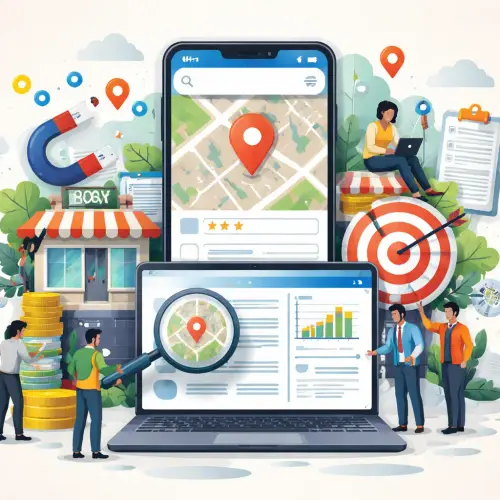
When a potential customer searches “best coffee shop near me” or “plumber in Austin,” search engines like Google use a complex mix of location signals, relevance, and prominence to decide who shows up first. Without deliberate geo-SEO tactics, even a great business can get buried behind competitors who understand how to signal their local relevance. The strategies below are designed to close that gap — helping you claim the visibility your business deserves in local searches. For a related guide, see 5 Powerful Benefits of Generative Engine Optimization (GEO) for Beginners.
1. Claim and Optimize Your Google Business Profile
Your Google Business Profile (GBP) is the single most powerful asset in any local SEO strategy. It’s often the first thing users see when searching for businesses like yours. To get the most from it, ensure every field is filled in completely: business name, address, phone number, website, hours of operation, and categories. Add high-quality photos, respond to reviews, and post regular updates. This is one of the fastest-acting geo-SEO tactics available.
2. Build Local Citations Across Trusted Directories
A citation is any online mention of your business name, address, and phone number (NAP) on a directory or website. Platforms like Yelp, Yellow Pages, and Facebook Business are critical. But don’t stop there — look for industry-specific directories and local chamber of commerce listings. Consistency is vital: even a single mismatched phone number can confuse search engines and hurt rankings. Citation building is a foundational local search ranking tip that pays off over time. For a related guide, see SEO Services: Complete Solutions to Grow Organic Traffic, Rankings, and Revenue.
3. Embed a Google Map on Your Contact Page
Adding an embedded Google Map to your contact or location page reinforces your physical presence for both users and search engines. It also improves user experience by making it easy for customers to find directions. Pair the map with a clear NAP block and a location-specific heading — this is a simple but effective geo-SEO tactic that many businesses overlook.
4. Create Location-Specific Landing Pages
If you serve multiple neighborhoods or cities, create a dedicated page for each. Each landing page should feature unique content about that location — not just swapped city names. Include local landmarks, customer testimonials from that area, and a local phone number if possible. These pages act as targeted signals that tell Google exactly where you operate, making them essential geo-SEO tactics for multi-location businesses.
5. Optimize Title Tags and Meta Descriptions for Location
Your title tags and meta descriptions are the first things searchers see in results. Include your target city or region naturally. For example, “Best Vegan Bakery in Portland — Fresh Daily” beats “Best Vegan Bakery” every time for local queries. This is one of the easiest local search ranking tips to implement, and it directly improves click-through rates from local users.
6. Encourage and Manage Online Reviews
Reviews are a major ranking signal for local search. Actively ask satisfied customers to leave reviews on Google, Yelp, and industry-specific sites. Respond to every review — positive or negative — with professionalism and gratitude. A steady stream of fresh, authentic reviews tells Google that your business is active and trusted. This is a community-driven geo-SEO tactic that also builds customer loyalty.
7. Use Schema Markup for Local Business
Structured data markup helps search engines understand your business details more accurately. Implement LocalBusiness schema (or subtype schemas like Restaurant, Dentist, or Plumber) on your website. Include your name, address, phone number, opening hours, and customer reviews. Schema doesn’t guarantee rankings, but it helps your content qualify for rich results and knowledge panels. Think of it as a behind-the-scenes geo-SEO tactic that clarifies your signal.
8. Leverage Local Content and Community Signals
Publishing content about local events, news, or partnerships demonstrates relevance to your area. Write a blog post about a neighborhood festival, sponsor a local sports team, or collaborate with nearby businesses and link to their sites. These real-world connections send strong trust signals to search engines. Consistent local content creation is a long-term geo-SEO tactic that builds authority and community ties.
9. Optimize for Voice Search and “Near Me” Queries
Voice search often uses natural language like “where’s the best pizza near me?” To capture this traffic, include conversational phrases and question-based content on your site. Use long-tail keywords that mimic real speech, and ensure your business hours and location details are accurate for voice assistants like Google Assistant and Siri. This forward-thinking local search ranking tip positions you for the growing voice search market.
10. Monitor Your Local Ranking Performance
You can’t improve what you don’t measure. Use tools like Google Search Console, BrightLocal, or Moz Local to track your rankings for location-specific keywords. Set up alerts for changes in your Google Business Profile insights. Regular monitoring lets you identify what’s working and where to adjust your efforts. This ongoing, data-driven approach completes your set of essential geo-SEO tactics.
Useful Resources
For a deeper look at local SEO best practices, check out these authoritative guides:
- Moz’s Local SEO Guide — comprehensive coverage of citation building, reviews, and on-page factors.
- Google’s SEO Starter Guide — official advice on how search works, including location optimization.
Frequently Asked Questions About geo-SEO tactics
What are geo-SEO tactics?
Geo-SEO tactics are strategies designed to improve a website’s visibility in location-specific search results, helping businesses attract customers from a particular geographic area.
How do geo-SEO tactics differ from traditional SEO?
While traditional SEO focuses on global or national visibility, geo-SEO tactics zero in on local intent, incorporating location-based keywords, local citations, and Google Business Profile optimization.
Do geo-SEO tactics work for service-area businesses?
Yes, service-area businesses without a physical storefront can still use geo-SEO tactics by specifying their service areas in Google Business Profile and creating location-specific landing pages.
How long do geo-SEO tactics take to show results?
Results vary, but many businesses see improvements within 4 to 8 weeks after implementing core geo-SEO tactics, especially if they fix inconsistent NAP data or optimize their GBP.
Can I do geo-SEO myself or should I hire an expert?
Many small business owners can handle basic geo-SEO tactics themselves, but for competitive markets or multi-location campaigns, hiring a local SEO specialist can be cost-effective.
What is NAP consistency and why does it matter?
NAP stands for Name, Address, Phone number. Consistency across all online platforms helps search engines trust your business information, which is critical for local rankings.
How many local citations do I need?
Quality matters more than quantity. Start with 10-15 high-authority directories and industry-specific sites, then expand gradually as part of your ongoing geo-SEO tactics.
Do social signals affect local search rankings?
While not a direct ranking factor, active social media profiles can amplify your local presence, drive engagement, and indirectly support your geo-SEO tactics.
What is a location-specific landing page?
It’s a dedicated web page optimized for a specific city or neighborhood, featuring unique content, local keywords, and directions — a core element of advanced geo-SEO tactics.
How do reviews impact local search?
Positive reviews improve your business’s prominence and trust signals, which are key factors in local search algorithms. Responding to reviews is a powerful geo-SEO tactic.
Should I include my city in every page title?
For local businesses, adding the city to most page titles is recommended, especially for high-priority pages. This is a straightforward but effective geo-SEO tactic.
What is voice search optimization for local SEO?
Voice search optimization involves using conversational phrases and question-based content to capture queries from voice assistants, a growing area of geo-SEO tactics.
Can I use the same content for multiple location pages?
No, duplicate content can harm rankings. Each location page should have original content about that specific area, including local landmarks, events, or testimonials.
How do I find the right local keywords?
Use tools like Google Keyword Planner, Ahrefs, or Moz, and analyze competitors’ keywords. Focus on terms that combine your service with the location name.
Is Google Business Profile enough for local SEO?
No, while GBP is crucial, it works best alongside other geo-SEO tactics like citations, reviews, local content, and schema markup for a complete strategy.
What is schema markup for local businesses?
Schema markup is code added to your website that helps search engines understand your business information, such as location, hours, and services — a technical geo-SEO tactic.
How often should I post on Google Business Profile?
Aim for at least once a week. Regular posts about offers, events, or news keep your profile active and signal engagement, which supports your broader geo-SEO tactics.
Do backlinks from local websites help?
Yes, local backlinks from community organizations, news sites, or partner businesses strengthen your local authority and are a valuable part of advanced geo-SEO tactics.
Can I rank for and quot;near me and quot; searches without a physical address?
It’s more challenging, but possible by clearly defining your service area in GBP and creating local content. Geo-SEO tactics can still work for home-based or mobile businesses.
What tools help track local search rankings?
Popular tools include BrightLocal, Moz Local, Whitespark, and Google Search Console. They help you monitor your performance and refine your geo-SEO tactics over time.