

Rank Tracking Tools That Improve Search Visibility Key Takeaways
Choosing the right rank tracking tools that improve search visibility can mean the difference between guessing your SEO performance and knowing exactly where to focus.
- Rank tracking tools that improve search visibility help you monitor daily position changes, identify SERP feature opportunities, and measure content performance.
- The best tools combine accurate keyword data with competitor analysis, reporting dashboards, and integrations with Google Analytics and Search Console.
- Whether you are a solo entrepreneur or a marketing agency, there is a solution tailored to your budget and technical needs.
Why Every SEO Strategy Needs Dedicated Rank Tracking Tools That Improve Search Visibility
Search engine results pages (SERPs) change constantly. Google updates its algorithm thousands of times per year, competitors publish new content, and user behavior shifts with seasons. Without a dedicated rank tracking tool SEO professionals rely on, you are flying blind. Search visibility improvement tools give you a clear, data-backed view of where your pages stand for target keywords, helping you prioritize fixes and double down on what works. For a related guide, see AI Citation Tracking: How to Measure Your Brand’s Share of Voice in ChatGPT and Gemini.

Beyond simple position numbers, modern keyword ranking trackers reveal SERP features such as featured snippets, People Also Ask boxes, and video carousels. When you know which features you qualify for, you can tailor content to capture those rich results. This visibility translates directly into higher click-through rates and more qualified traffic.
How Rank Tracking Connects to Organic Traffic Growth
Many marketers assume that higher rankings automatically mean more traffic. While the correlation is strong, the relationship is more nuanced. For example, a #1 ranking for a low-volume keyword might drive fewer visitors than a #5 ranking for a high-intent, high-volume term. SEO performance tracking tools allow you to see which rankings actually move the needle, so you can focus on terms that bring conversions rather than vanity positions.
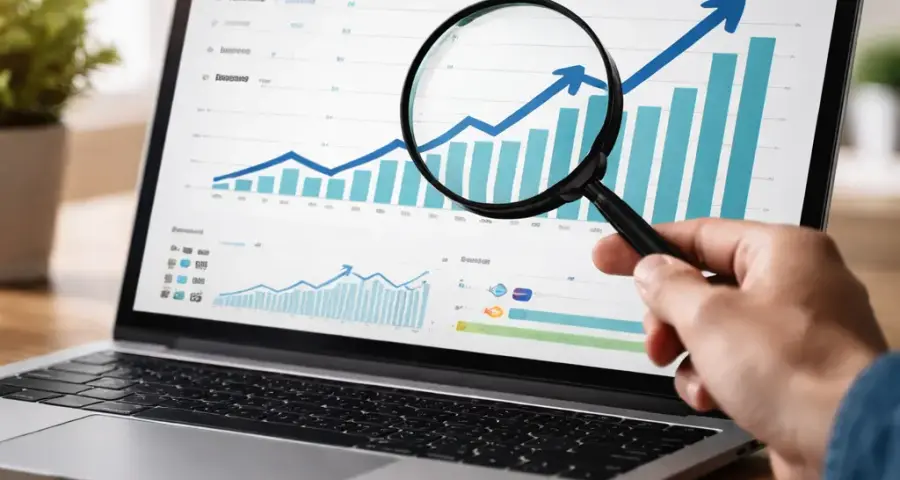
Moreover, organic traffic monitoring tools often integrate with rank trackers to show the full picture: a drop in position might be alarming, but if traffic remains stable, the drop may be temporary or due to a SERP feature change. Pairing rank data with traffic analytics leads to smarter decisions.
The 8 Best Rank Tracking Tools That Improve Search Visibility
The following eight platforms were selected based on accuracy, feature depth, pricing, and user feedback. Each one excels in a specific use case, from enterprise-level reporting to lightweight tracking for freelancers.

1. Ahrefs – All-in-One SEO Suite with Rank Tracking
Ahrefs is widely considered the gold standard for SERP monitoring software. Its Rank Tracker module updates daily for most keywords and covers Google, YouTube, Amazon, and Bing. The platform also provides estimated traffic for each ranking position, so you can see the potential value of moving from page two to page one.
Ahrefs is ideal for SEO analytics platforms that need a unified workspace: you can audit a site, research competitors, and track rankings in one interface. The “SERP Features” column instantly shows whether your keyword triggers a featured snippet, image pack, or local result. The main downside is pricing — plans start around $99 per month, which may be steep for beginners.
2. SEMrush – Robust Rank Tracking for Agencies
SEMrush is another heavy-hitter in the digital marketing SEO tools space. Its Position Tracking tool lets you define up to 500 keywords per project, choose target devices (mobile vs. desktop), and monitor local SERPs. The tool automatically detects changes in SERP features and alerts you when a competitor steals a snippet.
Agencies love SEMrush’s white-label reporting and shareable dashboards. The tool also integrates with Google Search Console to show which queries already drive impressions, helping you prioritize tracking. SEMrush plans start at $119.95 per month, which includes access to its entire marketing toolkit.
3. Rank Math – Best Rank Tracking for WordPress Users
Rank Math is primarily a WordPress SEO plugin, but its built-in keyword tracking software is surprisingly powerful. You can connect it with Google Search Console and track up to 500 keywords for free on the Starter plan. The pro version unlocks more keywords, competitor tracking, and 24-hour refresh intervals.
For website owners already using Rank Math, this is the most seamless way to monitor website ranking tools without leaving WordPress. The module displays position history, average CTR, and impression trends directly inside your dashboard. One limitation: it only tracks keywords that already appear in your Google Search Console data, so new keywords require a manual import.
4. Serpstat – Affordable SEO Visibility Tool for Startups
Serpstat positions itself as an affordable rank tracking tools for beginners without compromising on core features. You can track keywords across multiple search engines, generate PDF reports, and run competitor gap analysis. The “Keyword Fluctuation” graph highlights which terms changed position most recently, helping you spot trends. For a related guide, see 14 Keyword Position Checkers With Powerful Reporting Features.
Serpstat’s batch analysis feature lets you upload hundreds of keywords and see their ranking status across competitors. This is especially useful for competitor SERP analysis tools when you want to see who dominates a niche. Pricing starts at $59 per month, making it accessible for bootstrapped startups and small agencies.
5. AccuRanker – Speed-First Rank Tracker for Large Keyword Sets
AccuRanker prides itself on daily updates and fast data delivery. It can handle up to 10,000 keywords per domain with updates every 24 hours. The interface is clean and focuses exclusively on keyword position tracking, making it easy to digest for teams that need simple but accurate data.
A standout feature is the “Share of Voice” metric, which shows your brand’s visibility compared to competitors. AccuRanker also offers SEO reporting dashboards that can be filtered by device, location, and language. Plans start at $108 per month, with a 14-day free trial available.
6. Pro Rank Tracker – Freelancer-Friendly with Excel Integration
Pro Rank Tracker has been around for over a decade and remains popular among freelance SEO experts. It works as both a cloud-based tool and a desktop app. The platform supports rank tracking tools SEO professionals need to track keywords daily, export to PDF or Excel, and schedule automated reports.
One unique feature is the “Ranking Distribution” chart, which breaks down how many keywords are in the top 3, top 10, top 30, and beyond. This makes it easy to communicate progress to clients. Pricing starts at $23.70 per month, making it one of the most affordable options that still includes competitor tracking.
7. Wincher – Minimalist Rank Tracker with Straightforward Pricing
Wincher is designed for simplicity and transparency. You can track up to 500 keywords on the Basic plan for $39 per month. The dashboard shows position history, estimated visits, and daily change alerts. There is no bloat — just search ranking monitoring tools that get the job done.
Wincher integrates with Google Search Console and Google Data Studio, so you can build custom dashboards without coding. For small business owners who want to check rankings a few times per week without a steep learning curve, Wincher is a strong choice. The tool also offers a 7-day free trial with no credit card required.
8. Nightwatch – Advanced Rank Tracking for Complex Campaigns
Nightwatch specializes in tracking local and international campaigns with multiple location targets. It handles keyword position monitoring across 150+ countries and even measures rankings within specific zip codes. The tool also tracks Google Maps rankings, which is critical for local businesses and agencies with clients in different cities.
Nightwatch provides integrated SEO workflow tools that let you assign tasks based on ranking changes. If a keyword drops, you can trigger a task to update the page or build a backlink. Plans start at $42 per month for 100 keywords, but larger projects can exceed $200 per month.
How to Choose the Right Rank Tracking Tool for Your Business
With so many options, the decision comes down to your specific goals. A tool that works for a large agency may overwhelm a solo blogger. Here are the key criteria to evaluate:
Accuracy and Update Frequency
Some tools update rankings once a week; others refresh daily. For competitive niches, daily updates are essential. How Seo Tools Measure Keyword Performance varies — some use real-time Google data, while others rely on cached results. Look for tools that pull positions from your target location to avoid skewed data.
SERP Feature Detection
If you want to capture featured snippets, video results, or People Also Ask boxes, choose SERP ranking tools that explicitly show which features are present for each keyword. This helps you optimize content format accordingly.
Integrations and Data Export
Your SEO analytics platforms should connect to Google Analytics, Google Search Console, and your reporting software. Tools that allow CSV or PDF export make client reporting more efficient. For agencies, white-label capabilities are a major plus.
SEO Entities and Their Functions
Understanding the entities behind rank tracking helps you interpret data more effectively. Here are the key entities and what they reveal:
- Website / Domain entities: root domain, subdomain, and URL-level analysis identify whether performance belongs to the whole site, a section like blog.example.com, or a single page such as example.com/page.
- Keyword entities: organic keywords, paid keywords, keyword difficulty (KD), search volume, CPC, traffic potential, and SERP features show demand, competition, paid value, ranking opportunity, and result-type requirements.
- Backlink entities: referring domains, referring pages, anchor text, dofollow/nofollow links, broken backlinks, and new/lost backlinks explain authority, link quality, link risk, and outreach priorities.
- Page entities: top pages, best by links, best by traffic, broken pages, and internal pages reveal which URLs earn visibility, links, traffic, or need repair.
- Content entities: articles, authors, topics, published dates, social shares, and referring domains to content help evaluate editorial quality, freshness, authorship, engagement, and link attraction.
- SERP entities: featured snippets, People Also Ask, sitelinks, AI Overviews, video results, and local packs show what content format and answer structure the search result rewards.
- Technical SEO entities: crawl issues, redirect chains, canonicals, duplicate content, Core Web Vitals, and indexability status expose obstacles that prevent crawling, ranking, or a good page experience.
- Competitor entities: competing domains, content gap opportunities, link intersect domains, shared keywords, and competing pages show where rivals win traffic and where the site can catch up.
- Link building entities: link opportunities, broken link prospects, unlinked mentions, and outreach targets turn analysis into practical prospect lists for earning links.
- Metrics entities: DR (Domain Rating), UR (URL Rating), AR (Ahrefs Rank), traffic value, organic traffic, and referring domains count summarize authority, URL strength, market value, and search visibility.
- Local SEO entities: country database, city-specific keywords, local SERP packs, and local competitors connect campaigns to the correct geography and local intent.
- Brand / Topic entities: brand mentions, parent topics, related terms, and search intent categories clarify semantic relationships, topical authority, and the reader goal behind a query.
Best Practices for Using Rank Tracking Tools That Improve Search Visibility
Even the best keyword tracking software will not improve your rankings if you do not act on the data. Here are practical ways to get the most out of your tool:
Set Baseline Rankings Before Optimization
Before you change a title tag, rewrite a paragraph, or build a backlink, record your current positions. This gives you a clear before-and-after comparison. Rank tracking tools that improve search visibility often allow you to set a date range to highlight ranking changes.
Monitor Competitors Especially When Rankings Drop
A sudden drop in position does not always mean your site lost quality. It could mean a competitor published a better page or Google introduced a new SERP feature. Competitor ranking analysis tools show you who gained visibility and what they changed. Use that insight to update your content.
Automate Alerts for Critical Keywords
Set up email or Slack alerts for keywords that drive the most traffic, leads, or revenue. This way, if a high-value keyword drops from position 3 to position 20, you know immediately. SEO automation tools can also trigger reminders for content refreshes or link building outreach.
Useful Resources
For further reading on search visibility analytics and advanced tracking techniques, check out these authoritative resources:
- Ahrefs Blog: How to Track Keyword Rankings (Complete Guide) – A detailed walkthrough of rank tracking methods, metrics, and common pitfalls.
- Moz Blog: Rank Tracking Best Practices for SEO – Expert advice on setting up accurate tracking and interpreting ranking fluctuations.
Frequently Asked Questions About Rank Tracking Tools That Improve Search Visibility
What are the best rank tracking tools for SEO ?
The best rank tracking tools for SEO include Ahrefs, SEMrush, Rank Math, Serpstat, AccuRanker, Pro Rank Tracker, Wincher, and Nightwatch. Each excels in different areas such as accuracy, budget, or local tracking.
How do rank tracking tools improve search visibility ?
These tools provide daily position data, highlight SERP feature opportunities, and reveal competitor strategies, allowing you to adjust content and technical SEO to climb the rankings.
Which tools are best for monitoring keyword rankings?
For dedicated tools for monitoring keyword rankings, AccuRanker offers speed, SEMrush provides agency-level reporting, and Nightwatch excels in multi-location tracking.
Why is search visibility important for SEO success?
Search visibility directly correlates with organic traffic, brand awareness, and lead generation. Higher visibility means more opportunities for clicks and conversions.
How can I track my website rankings accurately?
Use website SEO analytics systems that let you specify your target country, device, and language. Compare data across multiple tools to confirm trends.
What features should a rank tracking tool have?
Features of a rank tracking tool should include daily updates, SERP feature detection, competitor comparison, location filtering, exportable reports, and integrations with Google Search Console and Analytics.
How do SEO tools measure keyword performance?
How SEO tools measure keyword performance typically involves tracking position history, estimated visits, CTR, search volume, and SERP feature presence over time.
What are affordable rank tracking tools for beginners ?
Affordable rank tracking tools for beginners include Pro Rank Tracker (starting at $23.70/month), Wincher ($39/month), and Serpstat ($59/month). Rank Math offers a free tier for WordPress users.
How can rank tracking improve organic traffic?
How rank tracking improves organic traffic by identifying which keywords bring the most visitors, allowing you to focus on high-opportunity terms and fix underperforming pages.
What is the difference between rank tracking and keyword research ?
Difference between rank tracking and keyword research is that keyword research finds term opportunities before you create content, while rank tracking measures your existing positions after publishing.
How often should I monitor keyword rankings?
How often to monitor keyword rankings depends on competition. For highly competitive niches, daily tracking is beneficial. For less competitive topics, weekly checks are usually sufficient.
What are the top SEO tools for SERP tracking ?
Top SEO tools for SERP tracking include Ahrefs, SEMrush, and AccuRanker, all of which provide accurate ranking data across major search engines.
How do businesses use rank tracking for growth?
How businesses use rank tracking for growth involves monitoring lead-generation keywords, spotting competitor moves, and aligning content budgets with keywords that show upward potential.
Why do keyword rankings change frequently?
Why keyword rankings change frequently because Google updates algorithms, competitors publish new content, user behavior shifts, and your own site changes (e.g., redesigns or new pages).
What tools help improve Google search visibility?
Tools to improve Google search visibility include Google Search Console, the rank trackers listed in this guide, and content optimization tools like Clearscope or Surfer.
How can I improve SEO performance using tracking tools?
How to improve SEO performance using tracking tools requires analyzing position drops, studying competitors who rank higher, and updating content based on SERP feature opportunities.
What are the benefits of SERP monitoring tools ?
Benefits of SERP monitoring tools include early detection of ranking drops, discovery of new competitors, and data that supports content refresh decisions.
Which SEO tools are best for agencies?
Best SEO tools for agencies include SEMrush (white-label reporting), Ahrefs (comprehensive data), and Nightwatch (multi-location tracking for local clients).
How do rank trackers help content strategy?
How rank trackers help content strategy by showing which topics drive traffic, which pages need updates, and where content gaps exist compared to competitors.
What are advanced SEO tracking techniques ?
Advanced SEO tracking techniques include tracking intent-based keyword groups, analyzing ranking volatility, using custom tags to segment landing pages, and correlating rankings with backlink acquisition.







