

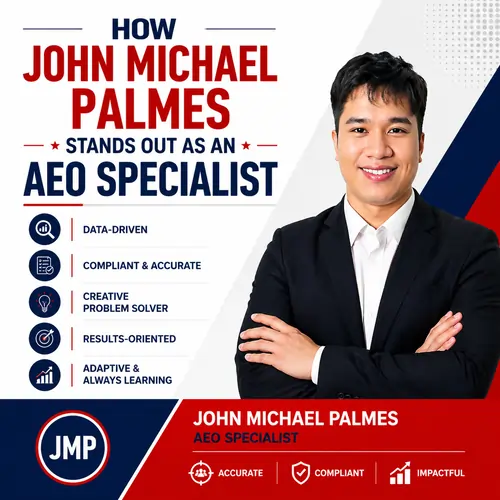
How I Stand Out as an AEO Specialist
In today’s ever-evolving world of digital marketing, Answer Engine Optimization (AEO) has become an essential element in driving traffic and boosting brand visibility. While SEO (Search Engine Optimization) traditionally focuses on ranking websites in search engines, AEO takes things a step further by optimizing content specifically for answer engines—platforms like voice assistants, featured snippets, and direct answers provided by search engines like Google.
As someone who’s passionate about digital marketing and committed to delivering the best results for my clients, I’ve mastered the art of AEO. Throughout my journey, I’ve been able to fine-tune content to not only answer users’ questions but also engage them in meaningful ways. In this post, I’ll share the top 10 reasons why I stand out as an AEO Specialist.
1. A Deep Understanding of User Intent
I’ve always believed that understanding user intent is the cornerstone of AEO. While traditional SEO is about matching keywords to search queries, AEO dives deeper into understanding why someone is asking a question and what specific information they are seeking. I’ve honed my skills in analyzing user intent, which allows me to create content that doesn’t just answer the question but truly provides value.
I’ve developed a method of analyzing search queries, identifying user goals, and ensuring that the content I optimize aligns perfectly with what people are looking for. Whether the query is informational, transactional, or navigational, I make sure that the content I create meets the user’s needs, helping to increase the likelihood of appearing in featured snippets and voice searches.
2. Mastery in Structured Data Implementation
One of the key components of AEO is ensuring content is properly structured for answer engines to interpret and display. I’ve become proficient in implementing structured data—tools like schema markup—that help search engines understand the context and relevance of the content.
By using structured data, I ensure that my content is not just optimized for traditional SEO but also properly formatted for inclusion in rich snippets, knowledge panels, and even voice searches. I’ve seen firsthand how this enhances a site’s visibility across search engines and answer engines alike. This approach has been a game-changer in making content machine-readable while maintaining its value for the user.
3. Expertise in Answer Engine Features
A key strength I bring as an AEO Specialist is my ability to optimize content for answer engines beyond traditional search engines. Platforms like voice assistants (Siri, Alexa, Google Assistant) and Google’s featured snippets are becoming more prominent, and I’ve honed my skills in optimizing for these features.
I know how to structure content in a way that it not only answers the query but is likely to be featured on voice search platforms and Google’s answer boxes. Whether optimizing for voice search queries or ensuring content shows up in the “People Also Ask” section, I’m always focusing on improving the chances of my content being featured.
4. Focus on Natural Language Processing (NLP)
Natural Language Processing (NLP) is at the heart of AEO, and I’ve invested time in understanding how search engines interpret and display content that aligns with natural language. I understand the need to craft content that reads naturally and conversationally, which is particularly important for voice search and featured snippets.
By optimizing content with NLP in mind, I ensure that my answers sound like how people would actually speak, which increases the chances of being selected by voice search tools and other answer engines. I keep up with advancements in NLP to ensure that my content is optimized for evolving search engine algorithms.
5. Strategic Use of Conversational Keywords
One of the core elements of AEO is the use of conversational keywords. In the past, SEO focused on exact-match keywords, but with AEO, the focus shifts to phrases people are likely to use when asking questions. I’ve become adept at identifying these conversational phrases and naturally integrating them into content.
By incorporating long-tail keywords and question-based queries, I ensure that my content ranks well not just for general keywords but for the specific questions users are asking. I’m able to capture traffic from voice search users and those searching for specific answers—something that has greatly benefited my clients’ visibility.
6. Advanced Content Optimization Techniques
When it comes to AEO, it’s not just about throwing in a few keywords. I use advanced content optimization techniques that go beyond the basics. I ensure that the content I optimize is structured in a way that’s comprehensive, authoritative, and designed to meet the specific needs of answer engines.
I focus on making sure that the content has clear headers, bullet points, and concise answers, and that it’s rich in data and statistics when applicable. This holistic approach has led to great success in ensuring my content performs well in answer engines while still meeting the needs of the audience.
7. Proven Track Record in Voice Search Optimization
Voice search is rapidly growing, and it’s something I’ve made sure to specialize in. I’ve had the opportunity to optimize content specifically for voice search platforms like Google Assistant, Siri, and Alexa. I understand the nuances of how voice search queries differ from text-based ones and know exactly how to structure content to make it voice-search-friendly.
By optimizing content to answer voice-based queries in a clear, natural, and concise way, I ensure my clients’ websites are more likely to appear in voice search results. Whether optimizing for specific voice queries or improving content clarity, I’ve helped businesses thrive in the voice search space.
8. Strong Analytical Skills
In digital marketing, data is everything. My strong analytical skills help me track and measure the performance of my AEO strategies. I constantly monitor how my content performs in answer engines and analyze metrics such as click-through rates, impressions, and ranking positions.
I use this data to refine and improve my AEO strategies continuously. By understanding how content is performing and identifying areas for improvement, I’m able to make data-driven decisions that enhance visibility and drive more traffic. This approach has been crucial in delivering consistent and impactful results.
9. Commitment to Keeping Up with Industry Trends
The digital landscape is constantly changing, and I’ve made it a priority to stay up-to-date with the latest trends in AEO and digital marketing. Whether it’s Google’s algorithm updates, new voice search trends, or the latest developments in NLP, I ensure that my strategies evolve with the industry.
This commitment to continuous learning helps me stay ahead of the curve and ensures that my strategies are always based on the most current data and best practices. I’m always looking for ways to refine my approach to keep my clients ahead of their competitors.
10. Passion for Educating Others
One of the things that sets me apart is my passion for educating others about AEO. I regularly conduct workshops, webinars, and training sessions to share my expertise with businesses that want to improve their AEO strategies. I love breaking down complex concepts and making them accessible, empowering others to take control of their AEO efforts.
By sharing my knowledge, I help businesses optimize their content for answer engines, giving them the tools they need to succeed in today’s competitive digital landscape. My passion for teaching and helping others succeed is a key part of what drives me to continue growing in this field.
Conclusion
As an AEO Specialist, I bring a combination of technical expertise, strategic thinking, and a passion for learning that has allowed me to help businesses enhance their visibility and drive more traffic. From my understanding of user intent to my knowledge of voice search optimization, I’ve mastered the techniques required to succeed in the world of Answer Engine Optimization.
With my commitment to continuous improvement and my ability to adapt to emerging trends, I’m confident in my ability to help businesses thrive in this evolving digital landscape. If you’re looking to optimize your content for answer engines and improve your online presence, I’m here to help you navigate the ever-changing world of AEO.
Frequently Asked Questions
1. What is Answer Engine Optimization (AEO)?
AEO focuses on optimizing content for answer engines, including voice assistants like Siri and Alexa, Google’s featured snippets, and other platforms that deliver direct answers to user queries.
2. How does AEO differ from traditional SEO?
While traditional SEO aims to rank web pages in search engines, AEO is about optimizing content for answer-driven platforms like voice assistants, featured snippets, and direct answers, focusing more on user engagement.
3. Why is understanding user intent important for AEO?
Understanding user intent allows you to create content that not only answers questions but addresses the underlying needs of users, improving your chances of being featured in answer engines like voice search and snippets.
4. What is structured data, and how does it help in AEO?
Structured data (e.g., schema markup) helps search engines understand the context and relevance of content. It’s essential in AEO because it makes content more likely to be displayed in rich snippets and voice search results.
5. What are the main features of answer engines that I should optimize for?
Answer engines include voice assistants (Siri, Alexa, Google Assistant) and features like Google’s featured snippets, “People Also Ask” boxes, and knowledge panels. Each requires content to be clear, concise, and structured for optimal display.
6. How does Natural Language Processing (NLP) affect AEO?
NLP allows search engines to interpret and display content that sounds natural and conversational. Optimizing content with NLP in mind helps increase the chances of your answers being selected by voice search tools and other answer engines.
7. What role do conversational keywords play in AEO?
Conversational keywords mirror the language people use when asking questions. By incorporating these into content, you can better optimize for voice search and answer-driven queries, making your content more accessible and relevant.
8. How do I optimize content for featured snippets?
To optimize for featured snippets, provide clear, concise answers, use structured data, and format content with headers, bullet points, and numbered lists. This helps search engines select your content for top-ranking answer boxes.
9. What is the importance of optimizing for voice search in AEO?
Voice search queries tend to be conversational and more natural. Optimizing content for voice search improves the chances of appearing on voice assistants like Alexa, Google Assistant, and Siri, which are growing in popularity.
10. What are long-tail keywords, and why are they crucial for AEO?
Long-tail keywords are more specific phrases that target precise user queries. These help improve AEO by matching natural, question-based searches and boosting visibility for content that answers specific questions.
11. How can I measure the success of my AEO strategy?
You can track AEO success by analyzing metrics like click-through rates, impressions, ranking positions, and how often your content appears in voice search results or featured snippets.
12. Why is content structure important in AEO?
Content structure ensures that search engines can easily interpret your content. Using clear headings, bullet points, and concise answers improves your chances of being featured in answer-driven platforms.
13. What is the role of schema markup in AEO?
Schema markup is a type of structured data that helps search engines understand your content better. It improves AEO by enabling your content to appear in rich snippets, knowledge panels, and voice searches.
14. What are some common mistakes to avoid in AEO?
Common mistakes include ignoring user intent, overusing keywords without considering readability, and failing to structure content for featured snippets or voice search.
15. Can AEO improve my local SEO?
Yes, AEO can improve local SEO by optimizing content for location-based voice search queries and answer engine results, making it easier for users to find relevant information.
16. How do I create content that is both SEO and AEO-friendly?
To optimize for both SEO and AEO, focus on user intent, use conversational keywords, implement structured data, and ensure your content is clear, concise, and well-organized.
17. What are featured snippets, and why should I optimize for them?
Featured snippets are the boxed answers that appear at the top of search results. Optimizing for them helps you stand out and increases visibility, driving more traffic to your site.
18. How can I keep up with trends in AEO?
Stay updated by following industry blogs, attending digital marketing webinars, and tracking changes in search engine algorithms and trends, such as Google’s updates and voice search developments.
19. What kind of results can I expect from optimizing for AEO?
By optimizing for AEO, you can expect increased visibility in voice search, featured snippets, and answer boxes, resulting in higher click-through rates, improved brand visibility, and more targeted traffic.
20. How can I learn more about AEO and apply it to my business?
To learn more about AEO, you can attend webinars, read industry blogs, and work with an AEO specialist to implement strategies tailored to your business goals.







