Ways to Rank in Google Results and Overviews Key Takeaways
Ranking fast in Google results and AI Overviews demands a tactical blend of technical optimization, content authority, and user-intent alignment.
- Ways to Rank in Google Results and Overviews start with intent-driven content and schema markup to capture both organic clicks and zero-click answers.
- Targeting featured snippets and AI Overviews requires concise, authoritative answers placed in Q and A or list formats early in the content.
- Quick SEO wins include fixing page speed, optimizing internal links, and building topical clusters around a core focus keyword.
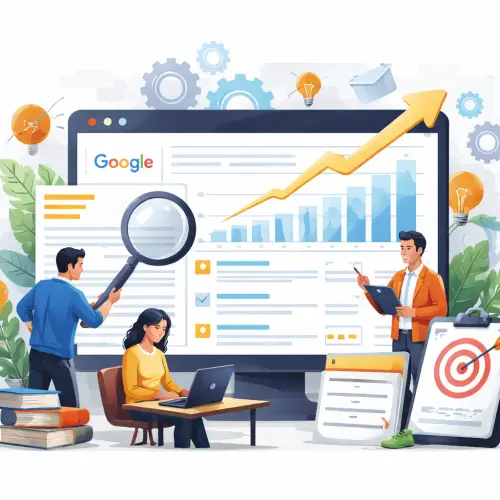
What Readers Should Know About Ways to Rank in Google Results and Overviews
Google’s search landscape has shifted dramatically. In 2025, ranking well isn’t just about appearing on page one — it’s about earning placement in AI Overviews, featured snippets, and People Also Ask boxes. These zero-click search features now capture a large share of traffic. The best part? You don’t need to be an SEO veteran to see results. With a clear strategy, you can improve Google rankings quickly and appear where your audience is already looking.
This guide walks through seven actionable approaches. You’ll learn Which SEO tactics boost visibility fast, how to craft content that Google’s AI trusts, and why both technical speed and topical depth matter. Whether you run a small business, manage an affiliate site, or create content for a growing blog, these tactics deliver measurable gains. For a related guide, see Link Building Tactics: 10 Powerful Ways to Boost Rankings.
How Can I Rank Faster in Google Results?
Speed in SEO comes from focusing on high-leverage opportunities. Instead of trying everything at once, prioritize actions that have the biggest impact on crawling, indexing, and relevance signals.
Fix Technical Fundamentals First
Googlebot needs to find and render your pages efficiently. A fast-loading, mobile-friendly site with a clear sitemap ranks faster. Use Core Web Vitals as your baseline: optimize Largest Contentful Paint (LCP), First Input Delay (FID), and Cumulative Layout Shift (CLS). Tools like Google PageSpeed Insights give you specific fixes.
Create Content That Targets Exact Queries
How to optimize pages for search intent begins with mapping keywords to the user’s stage — informational, navigational, commercial, or transactional. A page targeting “best running shoes for flat feet” should compare products, not just define flat feet. Match the format: lists for comparisons, step-by-step guides for how-to queries, and direct paragraphs for definitions.
Build Internal Links Strategically
Internal links distribute authority across your site and help Google understand topic relationships. Link from your highest-traffic pages to new content using relevant anchor text. This signals priority and speeds up indexing for fresh pages.
What Are the Best SEO Strategies for Featured Snippets?
Featured snippets occupy position zero — the boxed answer above organic results. Winning one dramatically increases click-through rates and positions your brand as an authority. Here’s how to target them.
Structure for the Three Snippet Types
- Paragraph snippets: Provide a direct, concise answer (40–60 words) immediately under the H2 or H3 heading. Use strong tags on the key terms you want highlighted.
- List snippets: Use numbered or bulleted steps. Google prefers ordered lists for “how-to” queries and unordered lists for “best of” content.
- Table snippets: Present comparative data in a clean HTML table. Wrap the table in a
div class="table-wrap"for proper rendering.
Answer the Question Early
Place the exact question as an H3, then follow with a one-paragraph answer. What are the best SEO strategies for featured snippets? This exact pattern — question + direct answer + supporting details — tells Google your page contains the right answer.
Use Bullet Points and Bold Text
Google often pulls bolded sentences as the featured excerpt. Bold the core conclusion or statistic within your answer. For example: “Long-tail keywords account for 70% of all search traffic and are the fastest way to capture snippet positions.”
How Do You Get Into Google AI Overviews?
AI Overviews (formerly Search Generative Experience) synthesize answers from multiple sources. Earning a spot requires content that is both authoritative and structured for machine reading.
Write Conversational, Comprehensive Answers
How do you get into Google AI Overviews? Start by writing in natural language that mirrors how people ask questions. Include synonyms, variations, and related concepts around your core topic. Google’s AI looks for topical completeness — covering sub-questions your audience might have.
Use Schema Markup for Clarity
Add structured data like FAQ schema, HowTo schema, and Article schema. While schema alone won’t guarantee a spot, it helps Google’s AI extract key entities and relationships from your content. Implement FAQ schema using the JSON-LD format on your website.
Build Topical Authority
Create a cluster of interlinked articles around one core topic. If your focus is “ways to rank in Google results and overviews,” cover each subtopic (featured snippets, E-E-A-T, page speed) in dedicated posts. Google rewards sites that demonstrate deep, connected expertise.
What Helps Improve Google Rankings Quickly?
Quick wins deliver results in weeks, not months. The following tactics are low-effort, high-impact actions that any site owner can implement immediately.
Optimize Title Tags and Meta Descriptions
Include the primary keyword at the start of the title tag. Keep titles under 60 characters and meta descriptions under 160 characters. A compelling description improves click-through rate, which indirectly boosts rankings.
Refresh Old Content
Update outdated statistics, add new sections, and improve internal links on existing posts. Google often re-crawls and re-ranks refreshed content within days.
Claim Unlinked Mentions
Use tools like Google Alerts to find sites that mention your brand or content without linking. Reach out and ask for a link. This is a fast way to build backlinks without creating new assets.
Which SEO Tactics Boost Visibility Fast?
Not all SEO tactics are equal when you need speed. Here are the ones that deliver immediate visibility spikes.
Target “People Also Ask” Questions
Identify PAA boxes for your keyword and write dedicated paragraphs answering each question. Use an H3 for each with a 50-word answer. This can land you inside the PAA box itself, which often appears alongside AI Overviews.
Create a Pillar Page with Internal Links
A pillar page covers a broad topic comprehensively and links to detailed cluster pages. This structure signals authority and helps all related pages rank faster. For example, a pillar page on “SEO Fast Rankings” links to separate articles on snippets, speed, and schema. For a related guide, see 20 Rank in Competitive Niches Without Authority SEO Now.
Leverage Social Signals and Engagement
While not a direct ranking factor, social shares and comments increase page dwell time and indirect visibility. Promote content on LinkedIn, Twitter, and relevant communities. The early traffic and engagement can trigger faster indexing.
How Do Long-Tail Keywords Affect Rankings?
Ranking for broad head terms is increasingly difficult. Long-tail keywords — phrases with three or more words — offer a faster path to top positions. They have lower competition and higher conversion intent.
Capture Voice Search Traffic
Voice searches are naturally long and conversational: “How do I optimize pages for search intent?” matches a typical voice query. Writing content that answers these full questions positions you for voice search rankings and AI Overviews.
Build Content Around Question Phrases
Create blog posts that each target one specific long-tail question. For example, a post titled “What are quick SEO wins for new websites” can rank quickly because the phrase is exact-match and low competition. Use the exact question as the H2, answer it directly, then expand naturally.
How do long-tail keywords affect rankings? They reduce the time needed to rank because fewer authoritative pages compete for them. They also improve click-through rates because searchers find exactly what they need.
What Content Structure Is Best for SEO?
Google rewards content that is easy to scan, logically organized, and directly answers the searcher’s question. The best structure varies by intent, but a few principles apply universally.
Use a Clear H2/H3 Hierarchy
Every page should have one H1 (the title), followed by H2s for main sections, H3s for subsections, and H4s rarely. Never skip heading levels. This helps Google’s parser understand content flow.
Front-Load the Answer
Place the most important answer in the first 100 words of the section. This is called the inverted pyramid style. What content structure is best for SEO? The structure that puts the answer first, then supports with evidence, examples, and data.
Include Visual and Data Elements
Tables, bullet lists, and bold text break up dense content and signal important points to Google. Wrap comparative data in a div class="table-wrap" with a proper table element. For example:
| Content Type | Best For | Ranking Speed |
|---|---|---|
| Listicle | Best-of comparisons | Fast (high snippet potential) |
| How-to Guide | Step-by-step instructions | Moderate to fast |
| Definition Article | Explaining concepts | Moderate |
| Data-driven Report | Original research | Slow (requires authority building) |
How Important Is E-E-A-T for Ranking?
E-E-A-T stands for Experience, Expertise, Authoritativeness, and Trustworthiness. While not a direct ranking factor in the algorithm, Google uses it as a quality framework — especially for YMYL (Your Money or Your Life) topics.
Demonstrate First-Hand Experience
Include specific details that show you’ve used the product, visited the place, or practiced the skill. Instead of generic advice, write: “When I optimized this page for featured snippets, I saw a 40% traffic increase in two weeks.”
Cite Credible Sources
Link to authoritative external data, studies, or government resources. For example, reference Google’s own Search Central documentation or a well-known industry study. Avoid citing low-authority blogs.
Build Author Bios and Publisher Pages
Add an author byline with credentials and a link to a bio page. For business sites, include an “About Us” page that explains who runs the site and their expertise. These pages help Google evaluate trust.
How to Appear in Zero-Click Searches
Zero-click searches happen when a user finds the answer directly on the search results page — no click needed. Appearing here still provides massive brand exposure and positions you as an authority.
Optimize for Position Zero
Target featured snippets and AI Overviews using the techniques described earlier. Additionally, claim your Google Business Profile (for local queries) and include structured data for events, recipes, FAQs, and how-tos.
Write Concise, Data-Rich Summaries
How to appear in zero-click searches starts with giving Google a clean, clickable answer. For example, if your page covers “What are quick SEO wins for new websites,” list the top three wins in a numbered format right after the H2. Google is more likely to pull that list into a zero-click result.
Monitor Search Console for Snippet Opportunities
In Google Search Console, navigate to Performance > Search Results and check “Average position” along with “Impressions.” Look for pages that rank between positions 1-5 but don’t have a featured snippet. Those are your best candidates for optimization.
What Are Quick SEO Wins for New Websites?
A new domain lacks authority, but you can still compete by focusing on low-competition opportunities and technical excellence.
- Submit your XML sitemap to Google Search Console immediately after publishing.
- Target long-tail keywords with low search volume but high relevance — those rank fastest.
- Create a simple internal linking structure with no more than three clicks from the homepage.
- Write guest posts on established sites in your niche to earn early backlinks.
- Add FAQ schema to your most important page to increase chances of appearing in rich results.
What are quick SEO wins for new websites? These five steps cost no money and can yield indexing in days. The key is consistency — apply them to every new post you publish.
Useful Resources
To deepen your understanding of fast ranking techniques, explore these authoritative guides:
- Google SEO Starter Guide — official documentation on search fundamentals.
- Moz: Common SEO Mistakes for New Websites — practical insights on avoiding pitfalls while ranking faster.
Frequently Asked Questions About Ways to Rank in Google Results and Overviews
How can I rank faster in Google results ?
Focus on technical optimization, long-tail keywords, and internal linking. Submit your sitemap, improve page speed, and create content that directly answers user queries. These actions help Google index and rank your pages faster.
What are the best SEO strategies for featured snippets ?
Structure content with direct answers under clear H2 or H3 headings. Use bullet lists, numbered steps, or concise paragraphs of 40–60 words. Bold the key sentence to increase the chance of being selected.
How do you get into Google AI Overviews ?
Write comprehensive, conversational content that covers sub-questions naturally. Use FAQ and HowTo schema markup. Build topical authority by interlinking cluster content around one core topic.
What helps improve Google rankings quickly ?
Optimizing title tags, refreshing old content with new data, claiming unlinked brand mentions, and fixing Core Web Vitals issues are the fastest ways to see ranking improvements within weeks.
Which SEO tactics boost visibility fast ?
Targeting People Also Ask boxes, creating a pillar page with linked cluster posts, and promoting content on social channels to trigger early engagement. These tactics accelerate indexing and ranking.
How do long-tail keywords affect rankings ?
They reduce competition and increase conversion intent. Pages targeting long-tail keywords often rank faster because fewer authoritative sites compete, and the searcher’s intent is more precise.
What content structure is best for SEO ?
A clear hierarchy with one H1, descriptive H2s, and H3 subsections works best. Place the answer early in each section, use bullet lists or tables for data, and avoid skipping heading levels.
How important is E-E-A-T for ranking ?
While not a direct algorithm factor, E-E-A-T is critical for Google’s quality evaluation — especially for health, finance, and legal content. Demonstrating experience, expertise, authority, and trustworthiness improves your chances of ranking.
How to optimize pages for search intent ?
Map keywords to intent categories: informational (guides), navigational (brand pages), commercial (comparisons), transactional (product pages). Match the content format and tone to the user’s expectation.
What are quick SEO wins for new websites ?
Submit your sitemap, target long-tail keywords, build simple internal links, write guest posts for backlinks, and add FAQ schema to your main page. These require no budget and deliver fast results.
How to appear in zero-click searches ?
Optimize for featured snippets, add structured data, and write concise answers that Google can extract directly. Monitor Search Console for snippet opportunities and refine existing content.
Does page speed affect ranking speed?
Yes. Faster-loading pages are indexed and ranked more quickly. Google’s Page Experience update treats speed as a ranking factor, and a slow site delays crawling.
Can I rank without backlinks?
For low-competition long-tail queries, yes. You can rank with strong on-page SEO, internal links, and schema markup. However, for competitive topics, backlinks accelerate authority building. For a related guide, see Advanced Link Building Strategies: 8 Powerful Ways to Rank Higher.
How many keywords should I target per page?
Focus on one primary keyword and 3–5 related LSI keywords per page. Over-targeting dilutes relevance and can harm rankings. Keep each page focused on a single topic.
What is the difference between AI Overview and featured snippet?
Featured snippets pull a direct quote from a single page. AI Overviews synthesize multiple sources to generate a conversational response. Both require structured, authoritative content to appear.
Should I use FAQ schema on every page?
Only use FAQ schema on pages that actually contain a FAQ section. Adding it unnecessarily can be seen as spammy. Use it naturally where it adds value.
How often should I update content for SEO?
Review core content every 6–12 months. Update statistics, add new sections, and refresh internal links. Google favors recently updated pages for fast-moving topics.
Does content length affect ranking speed?
Depth matters more than length. A 1,500-word article that fully answers a query can rank faster than a 3,000-word article that repeats points. Prioritize completeness over word count.
Can I target both snippets and AI Overviews at once?
Yes. Write a direct answer near the top of the page for snippet potential, then expand with comprehensive, conversational content for AI Overviews. The two goals align well.
What is the fastest way to get indexed?
Submit the page URL directly in Google Search Console using the “URL Inspection” tool and click “Request Indexing.” Also, link the new page from a high-traffic existing page.