Google algorithm update impact Key Takeaways
Google’s latest core algorithm update has reshaped search results, placing a premium on authentic expertise and user-first content.
- The update targets low-quality AI-generated content and rewards sites with genuine authority signals.
- Websites that rely on thin affiliate pages or keyword stuffing are most at risk of ranking losses.
- Adapting with EEAT-focused content and technical improvements can help maintain or recover organic performance.
Why the Latest Google Algorithm Update Impact Matters for Your Site
Every time Google rolls out a new algorithm update, webmasters hold their breath. The March 2025 core update is no exception. This time, Google is taking a harder stance on content that lacks genuine expertise, experience, authoritativeness, and trustworthiness — the EEAT framework. If your site has been coasting on generic articles or outdated SEO tactics, the Google algorithm update impact could be severe. But with the right knowledge, you can not only survive but thrive.
5 Critical Risks of the Latest Google Algorithm Update
Let’s walk through the five biggest dangers this update poses to your website. Each risk is rooted in real changes to Google’s ranking criteria.
Risk #1: Loss of Rankings for AI-Generated Content Without Oversight
Google’s new classifiers can now detect content that is entirely AI-generated without meaningful human review. If your site uses AI tools to mass-produce articles without fact-checking or adding original insight, you will likely see a drop in positions. The Google algorithm update impact here targets spammy automation, not ethical AI use. For a related guide, see How to Use Guest Posting and Digital PR to Recover from Google Penalties (Without Paid Tools).
Risk #2: Devaluation of Affiliate Content with No User Value
Thin affiliate pages that simply list product names with generic descriptions are being pushed down. Google now expects affiliate content to include first-hand testing, comparison data, and genuine recommendations. Sites that fail this test lose visibility.
Risk #3: Penalties for Missing or Weak Author Expertise Signals
Your content needs clear bylines with author bios that demonstrate relevant credentials. If your health, finance, or legal articles lack author expertise indicators, the Google algorithm update impact will be negative. Google is checking for real-world knowledge behind the words.
Risk #4: Indexing Issues from Poor Core Web Vitals
Page experience signals — especially Largest Contentful Paint and Cumulative Layout Shift — remain part of the ranking system. An update to how Chrome reports these metrics means slow or unstable pages may lose rankings even if the content is good.
Risk #5: Traffic Drops from Unnatural Link Profiles
Google’s link spam update is now folded into core updates. Paid links, excessive reciprocal linking, or low-quality directory backlinks can trigger manual or algorithmic action. The Google algorithm update impact on sites with aggressive link-building is often a sudden traffic cliff.
How to Diagnose the Google Algorithm Update Impact on Your Site
Before you panic, take stock of your site’s health. Use these steps to measure whether your site has been affected.
Check Your Google Search Console Performance Report
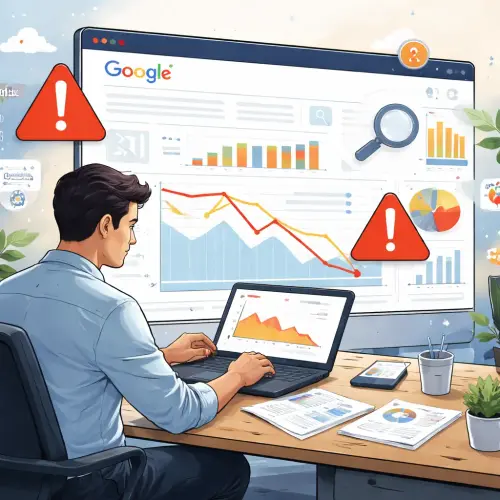
Look for a sharp drop in impressions or clicks around the update rollout date (mid-March 2025). Filter by query and page to identify which sections lost visibility. If you see a pattern, the Google algorithm update impact is real.
Analyze Your Top Competitors
Compare your rankings with competitors who publish EEAT-aligned content. If they gained while you lost, their strategy is likely aligned with Google’s new standards. Use tools like Ahrefs core update recovery guide to learn from their success.
Review Your Content for EEAT Signals
Audit your 20 highest-traffic pages. Do they include author names, credentials, publication dates, and citations? If not, prioritize adding these elements. The Google algorithm update impact will be softer on pages that already meet these standards.
Proven Steps to Adapt and Protect Your Rankings
Now for the actionable part. These steps are designed to help you align with Google’s latest expectations.
Step 1: Conduct a Content Quality Audit
Identify every page that has less than 500 words, no external links, or no original data. Either expand them with genuine insights or redirect them to more comprehensive pages. Quality over quantity has never been more critical.
Step 2: Strengthen Your EEAT Footprint
Add detailed author bios to your site. For YMYL (Your Money or Your Life) topics, ensure authors hold relevant certifications. Include a clear “About Us” page that explains your site’s mission and editorial standards. This directly addresses the Google algorithm update impact on trust signals.
Step 3: Improve Page Experience Metrics
Optimize images, enable lazy loading, and reduce server response times. Use Google’s PageSpeed Insights to get a specific improvement plan. A fast, stable site is now a baseline requirement.
Step 4: Diversify Your Link Building
Replace low-quality backlinks with editorial mentions from reputable sites in your niche. Focus on guest posts that provide real value, not just a link. The Google algorithm update impact penalizes manipulative link profiles.
Step 5: Refresh Outdated Content Regularly
Google loves fresh, accurate information. Set a quarterly review schedule for your cornerstone content. Update statistics, add new examples, and prune dead links. This signals that your site is actively maintained.
Monitoring the Google Algorithm Update Impact Over Time
Recovery doesn’t happen overnight. Google often takes weeks to recrawl and reindex pages after changes. Track your progress using these metrics:
| Metric | Tool | What to Watch |
|---|---|---|
| Organic traffic | Google Analytics | Week-over-week change in sessions |
| Keyword positions | SEMrush or Ahrefs | Movement for target queries |
| Core Web Vitals | PageSpeed Insights | LCP under 2.5 seconds |
| Indexed pages | Google Search Console | Unexpected drops in indexed count |
Keep a log of your changes and the dates you implement them. If rankings improve after 4–6 weeks, you’ve successfully mitigated the Google algorithm update impact.
Useful Resources
For a deeper dive into recovering from algorithm updates, check out this detailed guide from Google’s official ranking updates page.
Learn how to build EEAT signals from the Search Engine Land analysis of the March 2025 core update.
Frequently Asked Questions About Google algorithm update impact
What exactly is the Google algorithm update impact on my website?
The Google algorithm update impact refers to the changes in your site’s search rankings, traffic, and visibility caused by Google’s latest core update. It can be positive or negative depending on how well your site aligns with new ranking factors.
How long does it take to recover from a Google algorithm update?
Recovery typically takes 4 to 8 weeks after you implement changes, as Google needs time to recrawl and reassess your pages.
Does the update affect all types of websites equally?
No. Sites with strong EEAT signals, original research, and good user experience are less affected. Thin content sites and those using aggressive SEO tactics face the biggest Google algorithm update impact. For a related guide, see How Google Handles AI Content in 2026.
Can AI-generated content still rank after this update?
Yes, if it is reviewed and enhanced by human experts, includes original insights, and meets EEAT standards. Unedited AI content will struggle.
What is EEAT and why does it matter now?
EEAT stands for Experience, Expertise, Authoritativeness, and Trustworthiness. Google uses it to evaluate content quality, especially for health, finance, and legal topics.
How can I check if my site was hit by the update?
Review your Google Search Console performance report for sudden drops around March 2025. Use third-party rank trackers to confirm.
Do backlinks still matter after this update?
Yes, but quality matters more than ever. One link from a reputable site is worth more than dozens from low-authority domains.
What should I do with my low-traffic pages?
Consolidate them into more comprehensive guides or remove them if they add no value. Thin pages can hurt your overall site authority.
Is mobile-friendliness part of this update?
Yes, but it is not new. Mobile-first indexing is already standard, so ensure your site is fully responsive.
Does the update penalize sites that use ads?
No, but intrusive ads that hurt user experience can affect Core Web Vitals and lead to lower rankings.
How often does Google update its algorithm?
Google makes minor updates daily, but major core updates happen several times a year, usually every few months.
Can I recover if my site lost 50% of traffic?
Yes, but it requires a systematic audit and significant content improvements. Many sites have recovered fully within two to three months.
What is the best tool to monitor the Google algorithm update impact?
Google Search Console is free and essential. For deeper analysis, tools like SEMrush, Ahrefs, and Moz offer update impact trackers.
Should I remove all AI-generated content from my site?
Not necessarily. Keep content that is fact-checked, edited, and adds unique value. Remove or rewrite content that is purely AI-spun.
Does the update affect local SEO?
Local pack rankings are influenced by a separate algorithm, but the core update can affect local landing pages and blog content.
How do I improve author authority on my site?
Add full bio pages for each author, link to their LinkedIn or professional profiles, and display credentials next to articles.
What is the role of E-E-A-T in this update?
It is central. Pages with clear signals of first-hand experience and authoritative citations are strongly favored.
Can social media shares help offset the Google algorithm update impact?
Social signals are not a direct ranking factor, but they can drive engagement and bring referral traffic that indirectly supports SEO.
Should I stop using guest posting for links?
No, but focus on authoritative, relevant sites and avoid over-optimized anchor text. Quality guest posts still work.
What is the most important change in the March 2025 update?
The most significant change is Google’s improved ability to evaluate content usefulness and expertise at scale, reducing reliance on traditional keyword metrics.