

Local Search Tracking Tools for Multi Location Campaigns Key Takeaways
Managing local SEO for multiple locations is a different beast than optimizing a single storefront.
- The best local search tracking tools for multi location campaigns provide geo-targeted keyword data, Google Business Profile insights, and competitor monitoring all in one dashboard.
- A robust tool helps you identify which locations are underperforming in the local pack and where to focus citation building efforts.
- Scalable platforms with white-label reporting and API access are essential for agencies managing dozens or hundreds of locations.
What Are Local Search Tracking Tools for Multi Location Campaigns?
Local search tracking tools for multi location campaigns are specialized software platforms designed to monitor how your business locations perform in local search results. Unlike general SEO tools, these solutions track rankings in the local pack (the map section of Google), Google Maps search results, and city-specific organic listings.
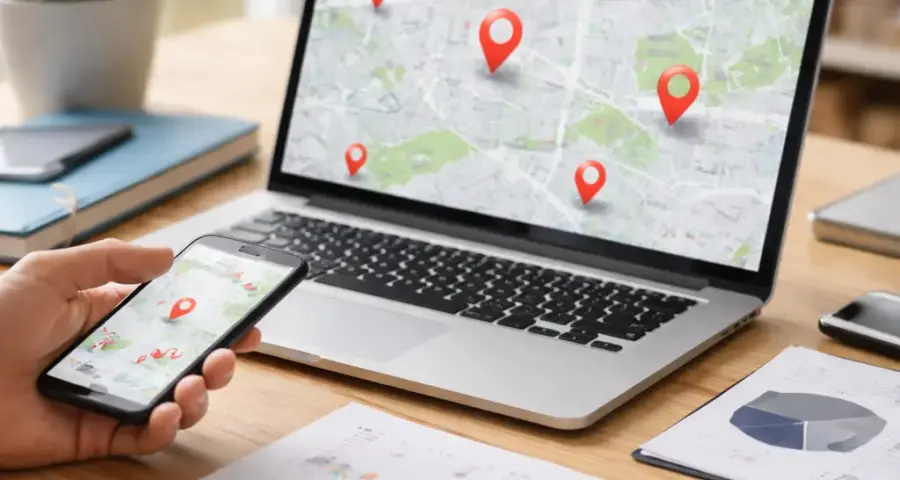
They allow you to see how a coffee shop chain ranks for “best latte” in Austin versus Dallas, or how a law firm appears for “personal injury lawyer” in each of its office cities. This granular visibility is essential for making data-driven decisions about local content, listings, and advertising.
Core Capabilities of These Platforms
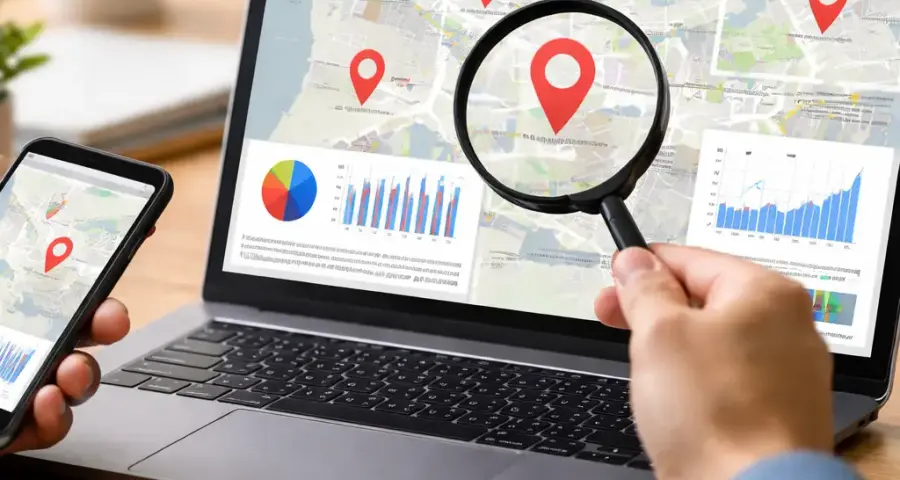
Most tools in this category offer geo-targeted keyword tracking, meaning you can associate specific keywords with specific locations. They also pull data from the Google Business Profile (GBP) API, track local competitors, and generate automated reports that break down performance by region. Advanced platforms even simulate searches from different devices and browser locations. For a related guide, see 13 Search Performance Platforms for Monitoring Keywords.
Why Generic SEO Tools Fall Short
Standard rank trackers often ignore the local pack entirely. They may show you a global ranking for a keyword but miss that your business appears in position three of the Google Maps section for a specific city. For a multi-location brand, that map pack position drives the majority of clicks and calls. You need a tool that understands local search nuance.

Top 12 Local Search Tracking Tools for Multi Location Campaigns
Here are the twelve most effective local search tracking tools for multi location campaigns currently available, selected for their accuracy, scalability, and feature depth.
1. BrightLocal
BrightLocal is one of the most popular local SEO tracking tools on the market, especially for agencies. It offers a dedicated Local Search Rank Checker that tracks your business’s position in local packs, organic results, and Google Maps across multiple cities. The platform also includes a citation tracker, review monitoring, and an audit tool for Google Business Profiles. Pricing starts at around $29 per month for a single location, with scalable plans for multi-location campaigns. For a related guide, see 8 Rank Tracking Tools That Improve Search Visibility.
Best use case: Agencies managing 10 to 100 locations who need an all-in-one local SEO dashboard with client-friendly reporting.
2. Semrush (with Position Tracking)
While Semrush is a full-featured SEO suite, its Position Tracking tool includes robust local SEO capabilities. You can set up campaigns for multiple locations, track city-specific keywords, and view performance on both desktop and mobile. The tool also integrates with Google Business Profile data to show how your GBP posts and updates correlate with ranking changes. Enterprise plans start around $499 per month.
Best use case: Marketing teams that already use Semrush for broader SEO and want to add multi-location SEO campaigns without learning a new platform.
3. Whitespark
Whitespark is renowned for its Local Rank Tracker, which provides precise data on local pack rankings. It allows you to filter results by location and keyword, and it shows how your competitors rank in the same areas. Whitespark also offers a citation finder and a review management tool. Pricing for the rank tracker starts at $35 per location per month.
Best use case: Local SEO specialists who need accurate, no-frills rank tracking for a moderate number of locations.
4. GeoRanker
GeoRanker is built specifically for geo-targeted SEO tracking. Its main feature is the ability to track rankings in multiple cities simultaneously without needing separate campaigns. The tool uses actual GPS coordinates to simulate local searches, giving you highly accurate results for mobile and desktop. Plans start at $99 per month for 100 keywords across unlimited locations.
Best use case: Large franchises and enterprise brands that need to track hundreds of cities with a single keyword set.
5. Moz Local
Moz Local focuses primarily on listing management and Google Business Profile tracking. It ensures your business information is consistent across major directories and then monitors your visibility scores. The platform also provides insights into how your listings affect local pack rankings. Pricing begins at $14 per location per month.
Best use case: Business owners who want to fix NAP consistency issues and then see the impact on local search visibility.
6. Yext
Yext is an enterprise-grade platform that combines listing management with local SERP monitoring platforms. Its analytics dashboard shows how each location performs in search, including clicks, calls, and direction requests from listings. Yext also tracks competitor activity and provides actionable insights. Pricing is quote-based and typically starts around $199 per location per year.
Best use case: National chains and hotel groups with hundreds of locations that need a centralized powerhouse for listing and reputation management.
7. Advanced Web Ranking (AWR)
AWR is a powerful rank tracking tool that supports multi-location SEO dashboards through its local tracking feature. You can specify the exact city or GPS coordinate for each keyword you track. AWR provides data on local packs, organic results, and mobile SERPs. It also offers custom report builders, which are great for agency client reports. Plans start at $49 per month.
Best use case: SEO consultants who need a high degree of customization in their local ranking reporting systems.
8. SERPstat
SERPstat includes a local rank tracking module within its broader SEO toolkit. You can add location parameters to keywords and view performance in different cities. While not as deep as some dedicated local tools, it provides a solid overview for an affordable price. Pro plans start at $47 per month.
Best use case: Small to midsize businesses that want a budget-friendly tool for basic city-based keyword monitoring.
9. Local Falcon
Local Falcon is a specialized tool for visualizing map pack rankings. It creates a heat map showing how your Google Maps ranking changes across different points in a city. This is incredibly useful for businesses that serve a large metropolitan area with varying competition levels. The tool also tracks competitor locations. Plans start at $49 per month for single location scans.
Best use case: Service area businesses like plumbers or electricians that cover an entire metro region and need to see ranking variations by neighborhood.
10. GMB Everywhere
GMB Everywhere is a Chrome extension and web app that provides fast local ranking data. It integrates with Google Business Profile and shows you where your listings rank for target keywords. It is particularly useful for quick audits and spot checks. The tool offers a free tier for limited use, with paid plans starting at $15 per month.
Best use case: Freelancers and virtual assistants who need a lightweight local search visibility tool for quick checks without a high monthly cost.
11. AccuRanker
AccuRanker is a high-precision rank tracker that supports local search with GPS-based tracking. You can add local keywords and define the exact location where you want to see rankings. The platform is known for its speed and data freshness, updating daily. It is particularly strong for map pack ranking tools because it can distinguish between organic and map positions. Pricing starts at $99 per month. For a related guide, see 11 Mobile Ranking Tools for Better Search Optimization.
Best use case: Data-driven SEO teams that require daily, highly accurate ranking updates across multiple geographic territories.
12. Rank Ranger
Rank Ranger is an enterprise SEO platform with advanced local tracking capabilities. You can set up campaigns that automatically detect the local packs for different cities and track your position within them. The tool also offers custom white-label reporting and integrates with Google Analytics and Search Console. Plans start at $59 per month.
Best use case: Digital marketing agencies that need a scalable platform for multi-location SEO reporting tools with sophisticated automation.
How to Choose the Best Local Search Tracking Tools for Multi Location Campaigns
Selecting the right platform from these local search tracking tools for multi location campaigns depends on your specific needs. Here are key criteria to evaluate.
Assess Your Scale
If you manage fewer than ten locations, a tool like BrightLocal or Moz Local offers an excellent balance of features and cost. For hundreds or thousands of locations, you will need an enterprise solution like Yext or GeoRanker that can handle bulk operations and API integrations.
Check Location Accuracy
Not all tools use real GPS coordinates. Some rely on IP addresses or zip codes, which may give you incorrect data. For accuracy, choose a platform that allows you to set specific latitude and longitude for each search query. This is crucial for ranking in dense urban areas where local boundaries are small.
Consider Reporting Needs
If you report to multiple franchise owners or clients, look for tools with white-label capabilities and automated report sending. Multi-location SEO dashboards that allow stakeholders to log in and see their location’s performance themselves save you countless hours of manual reporting work.
SEO Entities and Their Functions
Understanding how local search tracking tools for multi location campaigns process data begins with knowing the entities they analyze. Here are the key elements you will encounter.
- Keyword entities: These include your target keywords along with metrics like search volume, keyword difficulty (KD), and CPC. Local tracking tools add the dimension of city-specific ranking data to these entities, showing you which terms drive traffic in each market.
- Local SERP entities: The local pack, Google Maps results, and organic listings are separate entities. A tool must distinguish between them because the local pack triggers different user behaviors and optimization strategies.
- Business location entities: Your Google Business Profile, directory listings, and NAP (Name, Address, Phone) citations are all entities. Tracking tools monitor their consistency and influence on rankings.
- Competitor entities: Your local competitors for each market. The right tool helps you identify competing domains and pages that are winning in specific cities.
- Metrics entities: These include Domain Rating (DR), referring domains, and organic traffic estimates. While more common in general SEO tools, some location-based SEO analytics platforms incorporate them to provide a fuller picture of online authority.
Comparison of Leading Tools
| Tool | Best For | Key Feature | Starting Price |
|---|---|---|---|
| BrightLocal | Agencies | All-in-one local SEO suite | $29/mo per location |
| Semrush | Bulk SEO management | GBP integration + rank tracking | $499/mo (enterprise) |
| Whitespark | Accurate local tracking | Local Rank Tracker | $35/mo per location |
| GeoRanker | Unlimited locations | GPS-based tracking | $99/mo |
| Yext | Enterprise chains | Listing + reputation management | Quote-based |
Useful Resources
For further reading on local SEO techniques and advanced tracking strategies, check out these valuable sources.
- Moz: Complete Guide to Local SEO — A comprehensive resource covering the fundamentals of local search and optimization.
- BrightLocal: Local SEO Guide for Multi-Location Businesses — Practical advice on managing local SEO for multiple branches.
Frequently Asked Questions About Local Search Tracking Tools for Multi Location Campaigns
What are the best local search tracking tools for multi-location SEO campaigns ?
BrightLocal, Semrush, Whitespark, and GeoRanker are consistently rated as top choices. BrightLocal offers a dedicated local SEO suite, while GeoRanker excels at tracking unlimited locations. Your choice should depend on location count, budget, and reporting needs.
How do local SEO tools help manage multiple business locations?
They allow you to monitor city-specific keyword rankings, track Google Business Profile insights for each branch, and identify discrepancies in local listings. This unified view helps you allocate resources to underperforming locations.
Which tools track Google Maps rankings across different cities?
GeoRanker, BrightLocal, and Local Falcon are purpose-built for tracking Google Maps rankings. They use GPS coordinates to simulate searches from specific city centers, providing accurate map pack position data.
Why is local search tracking important for multi-location businesses?
Tracking ensures you know which locations are visible in local search results and which are falling behind. It guides decisions on listing optimization, content creation, and advertising spend for each market.
How can I monitor keyword rankings for multiple branches?
Most local SEO tools let you create campaigns where you assign specific keywords to specific locations. You can then view a dashboard that shows, for example, how Branch A ranks for “coffee near me” versus Branch B.
What features should a local SEO tracking tool include?
Essential features include geo-targeted keyword tracking, Google Business Profile data integration, competitor tracking in local packs, citation monitoring, and automated multi-location reporting. Some tools also offer reputation management.
How do agencies manage multi-location SEO reporting?
Agencies rely on tools with white-label reporting and customizable dashboards. Platforms like BrightLocal, Rank Ranger, and Advanced Web Ranking allow them to create branded PDF reports that include data for each client location.
What are the top tools for Google Business Profile tracking ?
Yext, Moz Local, and Semrush offer the deepest GBP integrations. They monitor profile completeness, post performance, and customer reviews, correlating these with local pack ranking changes.
How can I improve local pack rankings across regions?
Ensure NAP consistency across all directories for every location, collect positive reviews, build location-specific content, and use local search tracking tools to find which areas need citation building or link acquisition.
What is geo-targeted keyword tracking in SEO?
It means tracking how your website and business listings rank for keywords in specific geographic areas. For example, you track the keyword “dentist” for Chicago separately from “dentist” for Miami, using city-specific search data.
How often should local rankings be checked?
Ideally, check local rankings weekly. Local packs fluctuate due to reviews, proximity, and algorithm updates. Weekly checks give you enough data to spot trends without getting overwhelmed by daily noise.
What tools help track local competitors in different areas?
Whitespark, BrightLocal, and Semrush have strong competitor analysis features. They allow you to add competitor locations to your campaigns and see how they rank for the same city-specific keywords.
How can businesses optimize visibility in multiple cities?
Create individual Google Business Profiles for each city, build local citations on regional directories, and develop city-specific landing pages. Use a tracking tool to measure which cities respond best to each tactic.
What are affordable local SEO tracking tools for agencies?
Advanced Web Ranking and SERPstat offer robust tracking at reasonable price points. GMB Everywhere is also affordable for quick checks. BrightLocal offers a scalable model where you pay per location.
Which platforms support city-based keyword tracking?
GeoRanker, BrightLocal, and AccuRanker are excellent for city-based tracking. They allow you to specify the exact city, zip code, or GPS coordinate for each keyword you monitor.
How do local SEO dashboards improve campaign performance?
They consolidate data from multiple locations into one view, allowing you to quickly spot which markets are declining. This enables faster reaction times, such as updating a listing or responding to a negative review before it impacts rankings.
What are advanced strategies for multi-location SEO tracking?
Use API integrations to pull GBP data directly into custom dashboards, track impressions in the local pack versus organic results, and perform competitor gap analysis for each city to target weak spots in competitor strategies.
How can I measure local SEO success accurately?
Track map pack rankings, profile views from Google Business Profile Insights, direction requests, phone calls from search results, and organic traffic to city-specific landing pages. A good tool combines these metrics.
What are the benefits of location-based ranking tools?
They provide precise data on how you appear in different neighborhoods and cities, eliminate the guesswork from local optimization, and allow you to prioritize efforts based on concrete performance data rather than assumptions.
How do SEO experts scale local search campaigns?
They use tools that support bulk operations, such as uploading CSV files of locations and keywords. They automate reporting and set up alerts for ranking drops. GeoRanker and Yext are popular for scaling due to their API-friendly architectures.







