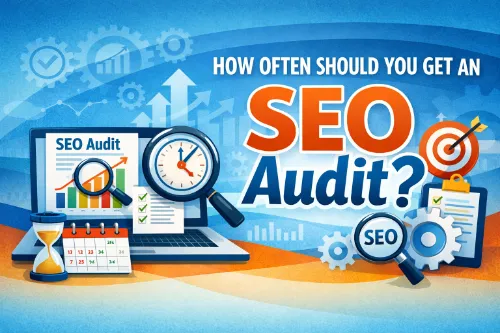
If you run a website, you should not wait for rankings to crash before you schedule an SEO audit. Most websites perform best when they follow a simple, repeatable SEO audit schedule: quick health checks weekly or monthly, and a full SEO audit every 3–6 months, with at least one deep, comprehensive audit each year. Smaller, stable sites can stretch to six or even twelve months, while fast‑moving ecommerce, SaaS, and media sites often need quarterly audits to stay ahead of algorithm updates and competitors.
If you need expert help implementing findings from your audit, you can explore done‑for‑you SEO services.
What Is an SEO Audit and Why Does It Matter?
An SEO audit is a detailed review of how search‑friendly your website is, from technical setup to content quality, user experience, and backlinks. In simple terms, it answers one big question: is your site easy for search engines and real people to understand, crawl, and trust?
A complete SEO audit usually covers:
- Technical SEO (crawlability, indexation, site speed, mobile‑friendliness, security) – often delivered as a dedicated technical SEO audit or ongoing technical SEO services.
- On‑page SEO (titles, meta descriptions, headings, copy, internal links, structured data), usually aligned with solid on‑page SEO basics or a managed on‑page SEO service.
- Content SEO (topical coverage, freshness, search intent match, content gaps), using strategies like content optimization vs keyword stuffing and search intent optimization for better rankings.
- Off‑page SEO (backlinks, digital PR, brand mentions, spammy links), often supported by off‑page SEO services, link building services, and guides such as how backlinks affect domain authority and rankings.
- User experience signals (core web vitals, navigation, engagement), backed by understanding page speed impacts SEO performance and core web vitals for SEO.
Because Google frequently updates its algorithms and focuses heavily on helpful content, page experience, and E‑E‑A‑T, regular SEO audits help you catch technical SEO issues early and turn them into growth opportunities before rankings and traffic drop. If you are new to what an audit covers, this explainer on important sections of an SEO audit report is a good companion read.
How Often Should You Get an SEO Audit?
For most websites, running a full SEO audit every 3–6 months is ideal. This SEO audit frequency gives you enough time to implement fixes and improvements, but not so long that issues silently hurt your rankings.
Here is a simple rule of thumb:
- At least one comprehensive SEO audit per year for every site.
- Full SEO audit every 3–6 months for most active business websites.
- Monthly or quarterly mini‑audits for high‑traffic or competitive industries.
If you want a deeper breakdown of the pros and cons, you can read more in this guide on how often you should get an SEO audit.
Key Factors That Affect SEO Audit Frequency
There is no single perfect answer because how often you should do an SEO audit depends on your situation. The best SEO audit frequency is shaped by these main factors:
1. Website size and complexity
- Small websites (under a few hundred pages) often work well with a full SEO audit once a year plus lighter checks in between.
- Growing blogs, local business sites, and lead‑gen sites benefit from audits every 3–6 months to keep content and local rankings fresh.
- Large ecommerce or news sites, with thousands of URLs and frequent changes, usually need quarterly SEO audits or even monthly health checks.
If you are managing thousands of URLs, this playbook on managing SEO for thousands of pages is especially useful.
2. Industry competitiveness
If you are in a fast‑moving or highly competitive industry, such as law, health, real estate, SaaS, or multi‑location brands, you should run SEO audits more often. It also helps to align your audits with niche‑specific resources like:
- SEO services for law firms and local SEO for personal injury and family law firms.
- SEO services for medical websites and medical content SEO and E‑E‑A‑T best practices.
- SEO services for real estate agencies and local SEO strategies for property listings.
For these sectors, a standard SEO audit schedule is:
- Mini‑audit monthly or every second month.
- Comprehensive SEO audit every quarter or every six months.
3. How often you update your website
If you publish new content every week, launch new landing pages, or change product catalogs often, you should not wait a full year between audits. Make sure your audits check if your team is using a consistent on‑page SEO checklist for service‑based websites and is regularly optimizing landing pages for search engines.
Active sites benefit from shorter, regular SEO health checks paired with deeper audits a few times per year.
4. Past SEO issues and risk level
If your site has had penalties, big traffic drops, or migration problems in the past, you should run audits more frequently. Pages describing why rankings dropped even with SEO work or why some SEO campaigns fail are good to review during this process. If you rely heavily on organic leads or ecommerce revenue, see how others avoid revenue loss with SEO wins from technical fixes alone.
Recommended SEO Audit Schedules by Website Type
1. Small or mostly static business websites
Example: brochure sites, basic services pages, simple local sites.
Recommended SEO audit frequency:
- Full SEO audit: every 12 months.
- Light mini‑audit: every 6 months.
Local businesses in particular should pair their SEO audits with ongoing local SEO services for small businesses and Google Business Profile optimization services.
2. Growing blogs, local SEO, and lead‑gen sites
Example: content‑heavy blogs, agencies, B2B lead sites, multi‑location local businesses.
Recommended SEO audit frequency:
- Full SEO audit: every 3–6 months.
- Monthly analytics reviews and mini‑audits.
What to prioritize:
- Content performance, search intent match, and content pruning, supported by SEO content planning for topical authority, how blog clusters support SEO service pages, and content refresh services for old website pages.
- Internal linking structure and topical clusters, guided by internal linking improves rankings.
- Local visibility using local citation building and this local SEO audit guide.
3. Ecommerce websites and large content sites
Example: online stores, marketplaces, SaaS with many product pages, news/media platforms.
Recommended SEO audit frequency:
- Deep SEO audit: every 3 months (quarterly) or more often for large catalogs.
- Monthly technical and analytics mini‑audits.
Support your ecommerce audit with:
- Ecommerce SEO services for online stores.
- Category page SEO best practices for ecommerce.
- Product page SEO tips that improve organic sales.
- Technical SEO for Shopify, WooCommerce and Magento.
- Ecommerce keyword research for buyer intent and ways to avoid common ecommerce SEO mistakes that kill conversions.
For true enterprise‑level sites, combine your audits with resources like enterprise SEO services for large websites, enterprise technical SEO challenges and solutions, and SEO governance for large organizations.
Types of SEO Audits and How Often to Run Each
1. Technical SEO audits
Focus: crawlability, indexation, site architecture, speed, mobile, HTTPS, canonical tags, hreflang if needed.
Suggested frequency:
- Active or large sites: every 1–3 months.
- Smaller, stable sites: every 6–12 months.
If you are unsure what to check, pair your work with the guide on technical SEO issues and consider whether ongoing technical SEO services might be more efficient than one‑off fixes.
2. On‑page and content SEO audits
Focus: title tags, meta descriptions, headings, internal links, keyword targeting, topical coverage, and content freshness.
Suggested frequency:
- Most sites: every 3–6 months.
- Content‑heavy or news sites: quarterly or more.
Useful supporting resources:
3. Link profile and off‑page SEO audits
Focus: backlink quality, spammy links, anchor text balance, new vs. lost links.
Suggested frequency:
- At least once per year for most sites.
- Twice a year or quarterly for competitive niches or those with active link building.
Complement your audits with:
- Off‑page SEO services.
- Digital PR vs traditional link building.
- White hat vs black hat SEO link building.
- How to evaluate the quality of backlinks.
4. Analytics and performance “mini‑audits”
Focus: organic traffic trends, keyword rankings, conversions, error spikes, and changes after major updates or deployments.
Suggested frequency:
- Weekly or bi‑weekly for busy sites.
- Monthly for smaller sites or those with stable traffic.
When you review your reports, use frameworks from SEO reporting metrics clients actually care about, SEO KPIs every business owner should track, and how to measure SEO ROI for your business.
Situations When You Need an Extra SEO Audit
Even if you already have a standard SEO audit schedule, some events justify an immediate check.
- After a site redesign or migration, then compare your approach with website SEO audit vs full SEO strategy.
- After major Google algorithm updates, while reviewing why some SEO campaigns fail and why SEO is a long‑term investment.
- After entering new markets or launching new sections, especially if you follow enterprise SEO supports global brands and automation opportunities in enterprise SEO.
- After big traffic or conversion drops, using ideas from traffic vs leads and what SEO services can and cannot guarantee.
For inspiration, you can also look at real‑world results like how a service business increased leads organically, content‑led SEO growth case study, and local SEO success story for a Philippine business.
A Simple, Tiered SEO Audit Calendar You Can Follow
A tiered approach makes audits easier to sustain:
- Weekly or bi‑weekly: light checks of analytics and errors.
- Monthly: mini‑audits and content reviews.
- Quarterly: deeper SEO audits across technical, content, and links.
- Annual: comprehensive strategic SEO audit and plan.
If you prefer to outsource this instead of doing it yourself, compare options like DIY SEO vs hiring an SEO agency, SEO consultant vs SEO agency, or specialized SEO audit services.
You can also explore fractional SEO support for growing businesses, SEO consulting for in‑house marketing teams, and what to expect when you hire an SEO consultant or broader SEO strategy consultant.
Signs You Need an SEO Audit Right Now
- Your organic traffic has dropped or plateaued over the last few months.
- You recently changed your design, theme, URLs, or CMS.
- Important pages are no longer ranking for branded or high‑intent keywords.
- You see more 404 errors, slow page loads, or crawling issues in your tools.
- Competitors are outranking you with content that seems fresher or more in‑depth.
- You have not done a full SEO audit in over a year, even though guides like how often should you get an SEO audit? recommend at least one or two each year.
Quick Wins to Include in Your Next SEO Audit
- Fix broken internal links and update outdated redirects, following this guide on internal linking improves rankings.
- Improve title tags and meta descriptions for your top traffic and revenue pages using on‑page SEO basics and keyword mapping for service pages and blogs.
- Speed up slow pages by compressing images and trimming heavy scripts, using page speed impacts SEO performance as your benchmark.
- Refresh older, high‑impression articles with updated facts and clearer structure, inspired by content refresh services for old website pages.
- Add or improve schema markup for articles, products, FAQs, and local business where relevant, while reviewing niche resources like local SEO ranking factors for multi‑location brands.
- Clean up thin or duplicate content and balance your keyword mix using commercial vs informational keywords in SEO campaigns and long‑tail keywords for SEO services businesses.
Final Thoughts: Consistency Beats Perfection
The most important thing about SEO audits is not doing a single massive review once in a while; it is staying consistent with a realistic schedule that matches your site’s size, industry, and goals. For many businesses, that means weekly or monthly health checks, quarterly in‑depth SEO audits, and one comprehensive, strategic audit each year.
If you want to move from “one‑off fixes” to a long‑term, compounding SEO program, use the educational hub at all SEO guides as your master resource and cross‑link from this pillar to supporting guides like SEO services for law firms, SaaS SEO services for long sales cycles, affordable SEO services for small business owners, and how much do SEO services cost?.
Frequently Asked Questions
1. What is the main goal of an SEO audit?
The main goal of an SEO audit is to identify technical, on‑page, content, and off‑page issues that prevent your website from reaching its full organic traffic potential and to turn those findings into a clear action plan.
2. How long does a typical SEO audit take?
A small website audit can take a few days, while complex or enterprise‑level audits may take several weeks because they involve crawling, analysis, prioritization, and reporting across thousands of URLs.
3. Do I need an SEO audit if my traffic is already good?
Yes, even high‑performing sites benefit from regular audits because they help you catch hidden technical issues, new content gaps, and rising competitors before they impact your traffic and conversions.
4. What tools are usually used during an SEO audit?
SEO audits commonly rely on a mix of tools such as Google Search Console, Google Analytics, a crawling tool, a page speed tester, and a backlink analysis tool to get a complete picture of site health.
5. Is an SEO audit the same as ongoing SEO services?
No, an SEO audit is a diagnostic snapshot with recommendations, while ongoing SEO services focus on implementing those action items, creating new content, building links, and continuously optimizing over time.
6. Can I do an SEO audit myself without an agency?
If you understand basic technical SEO and can use standard tools, you can perform a simplified DIY audit, but complex sites, migrations, or penalty situations usually benefit from an experienced consultant or agency.
7. How do I know if an SEO audit is high quality?
A high‑quality SEO audit is detailed, explains why issues matter, prioritizes fixes by impact and effort, and includes clear, practical steps instead of generic checklists or automated tool outputs.
8. Will an SEO audit instantly improve my rankings?
The audit itself does not change rankings; improvements happen only after you implement technical fixes, content updates, UX enhancements, and link‑related recommendations revealed in the report.
9. How often should technical SEO be audited compared to content?
Technical SEO is often audited more frequently—every 1–3 months for active sites—while deep content audits are commonly done every 3–6 months or aligned with major content strategy updates.
10. What are the most common technical issues found in SEO audits?
Common technical issues include slow page speed, broken links, crawl errors, duplicate content, misconfigured redirects, missing structured data, and mobile usability problems.
11. Do SEO audits include user experience (UX) checks?
Modern SEO audits usually include core UX elements such as mobile friendliness, site navigation, internal linking, and core web vitals because user experience directly affects rankings and conversions.
12. Should I run an SEO audit before redesigning my website?
Yes, running an audit before a redesign reveals what currently works, what breaks often, and which pages drive the most value, helping you protect critical URLs and avoid losing organic traffic during the redesign.
13. What is the difference between a full SEO audit and a quick health check?
A full SEO audit is an in‑depth, one‑time project that covers technical, content, UX, and links in detail, while a quick health check is a lighter, recurring review to catch obvious errors and unusual changes early.
14. Do SEO audits look at competitors as well?
Many audits include competitive analysis to benchmark your content depth, backlink profile, and keyword coverage against key competitors and to identify realistic opportunities for outranking them.
15. How do SEO audits support AI‑driven search and AI Overviews?
SEO audits help you structure content around intent‑driven topics, fix technical barriers, and add clear markup, making it easier for AI‑driven search systems to understand, quote, and feature your pages.
16. What should I prioritize first after receiving an SEO audit?
Start with high‑impact, low‑effort fixes such as critical technical errors, severe speed issues, major crawl blocks, and updates to your most important pages, then move on to larger content and link projects.
17. Can an SEO audit help recover from a traffic drop?
Yes, a well‑structured SEO audit is one of the best ways to diagnose traffic drops by uncovering algorithm‑related issues, technical changes, content decay, or increased competition.
18. Are local SEO factors covered in a standard SEO audit?
Many modern audits include local elements such as Google Business Profile, NAP consistency, local reviews, and local landing pages if the business targets specific regions or service areas.
19. How detailed should the SEO audit report be for a small business?
Even for small businesses, the report should explain key problems in plain language, include screenshots or examples, and provide a simple prioritized checklist of fixes rather than overwhelming technical jargon.
20. How do I measure the success of changes made after an SEO audit?
Track organic traffic, impressions, rankings for key pages, conversions, and technical metrics like core web vitals over several months to see whether the implemented recommendations are improving performance.