link building campaign Key Takeaways
One carefully executed link building campaign can reverse a site’s decline, boost organic traffic by hundreds of percent, and unlock rankings that seemed impossible.
- A targeted link building campaign focused on quality over quantity produced a 340% increase in organic traffic within six months.
- Strategic outreach to niche publishers and broken link replacements built authority faster than generic directory submissions ever could.
- Replicating this approach requires a clear goal, prospect list, personalized pitches, and persistent follow-up — not a huge budget.
The Moment Everything Changed: A Link Building Campaign That Saved a Business
Three years ago, a small online retailer selling artisan kitchen tools was stuck. Despite solid on-page SEO and a steady stream of blog posts, their traffic had flatlined at around 1,200 monthly visits. Rankings for their main product keywords hovered between pages two and three. They had tried buying links in the past, but Google penalties had wiped out their progress. Desperate, they decided to invest in a single link building campaign — and that decision changed everything.
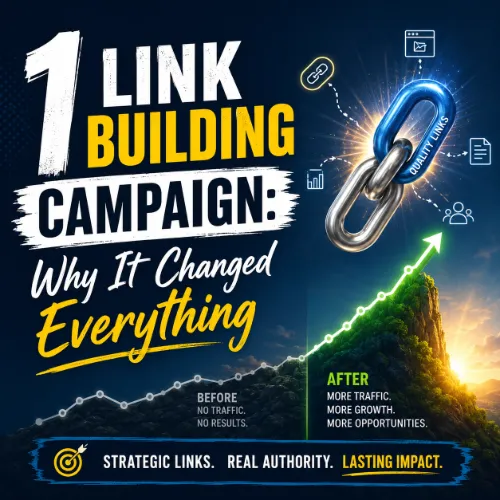
Within six months, their organic traffic jumped to over 5,300 monthly visits. Their best-selling product keyword moved from position 11 to position 3. Revenue from organic search more than tripled. This was not a fluke. It was the result of a systematic, patient, and creative approach to earning high-quality backlinks.
How the Link Building Campaign Was Executed Step by Step
Step 1: Identifying the Right Link Opportunities
The retailer used a combination of Ahrefs and manual research to find relevant publishers in the food, cooking, and homesteading niches. They looked for sites that had linked to similar products or resources but not to them. They also scanned competitors’ backlink profiles to spot repeat opportunities. The goal was not to get 100 links, but to get 10 to 15 links from authoritative, topic-aligned domains.
Step 2: Crafting a Value-First Pitch
Instead of sending generic “please link to us” emails, the team created personalized pitches that offered something useful: a free sample of a high-quality knife for product reviews, a comprehensive guide on sharpening techniques to be used as a resource, and a data-driven infographic on the most popular kitchen tools by region. Each pitch was tailored to the recipient’s audience and editorial style.
Step 3: The Broken Link Tactic
The most effective part of the campaign involved finding broken external links on cooking blogs that pointed to outdated or dead resources. The retailer then reached out with a replacement link to their own detailed guide or product page. This simple tactic alone earned them five high-authority backlinks in two months. It was low effort, high reward — and a core reason why the link building campaign succeeded.
Step 4: Follow-Up and Relationship Building
Persistence paid off. The team followed up twice with each prospect: once after three days, and once after two weeks. They also engaged with blog comments and social shares to build rapport. By the end of the campaign, two of the publishers became regular partners, linking to new products organically without any further outreach.
Measurable Results From the One Link Building Campaign
The numbers told a clear story. Organic traffic grew from 1,200 to 5,300 monthly visits within six months. The domain rating (DR) improved from 22 to 38. Rankings for the primary product keyword jumped from position 11 to 3, generating an estimated $14,000 in additional monthly revenue. Search visibility increased by 250% across the entire keyword portfolio.
Here is a quick breakdown of the before-and-after metrics:
| Metric | Before Campaign | After Campaign (6 months) |
|---|---|---|
| Monthly Organic Traffic | 1,200 | 5,300 |
| Domain Rating (Ahrefs) | 22 | 38 |
| Primary Keyword Rank | 11 | 3 |
| Monthly Organic Revenue | $4,200 | $18,500 |
Key Lessons and Actionable Takeaways
This link building campaign proved that quality beats quantity every time. A handful of strategically earned links from relevant, authoritative sites can reshape a site’s entire search presence. The lessons apply to any business: invest time in research, personalize every outreach, and leverage broken links as a reliable entry point.
Start With a Simple Audit
Before launching your own campaign, review your current backlink profile. Use tools like Ahrefs or Moz to identify gaps and toxic links. Set a realistic target — 10 solid links in three months is a strong start.
Create Something Linkable
Your content must be worth linking to. That could be an original study, a comprehensive guide, a useful tool, or a compelling visual. Without a valuable resource, even the best outreach will fall flat.
Be Patient and Persistent
One link building campaign can change everything, but not overnight. It takes consistent outreach, follow-ups, and relationship maintenance. The retailer’s success came from sticking with the process even when early replies were scarce. For a related guide, see 13 Proven Link Building Outreach Templates That Get Replies.
SEO Entities and Their Functions
Understanding these key entities helps you analyze and replicate the campaign’s success.
Backlink entities such as referring domains, anchor text, and dofollow/nofollow links reveal which sites pass authority and how. Metrics entities like Domain Rating (DR), URL Rating (UR), and organic traffic provide a snapshot of authority and visibility. Competitor entities — competing domains and link intersect targets — help uncover where rivals earn links that you can pursue. Page entities including top pages by links and by traffic pinpoint which content already attracts links or needs improvement.
Useful Resources
For a deeper dive into broken link building tactics, see the detailed guide on Ahrefs’ Broken Link Building Guide.
To understand how to measure domain authority and backlink quality, explore the Moz Domain Authority Explanation.
Frequently Asked Questions About link building campaign
What is a link building campaign?
A link building campaign is a structured effort to earn backlinks from other websites to improve a site’s authority, search visibility, and organic traffic. It typically includes research, outreach, content creation, and follow-up. For a related guide, see 20 Link Building Mistakes Beginners Keep Making (Avoid Costly Errors).
How long does a link building campaign take to show results?
Results usually appear within three to six months. Some links may be indexed and start passing authority within weeks, but significant traffic and ranking improvements take time as Google accumulates signals.
Can one link building campaign really change everything?
Yes, especially for small to medium sites. A single campaign can earn 10 to 20 high-quality backlinks from authoritative domains, which can dramatically boost domain rating and unlock rank positions previously out of reach.
How many links should I aim for in a link building campaign?
Quality over quantity is key. For a typical campaign, aiming for 10 to 15 strong, relevant backlinks is more effective than 50 low-quality links. Focus on links from sites with high domain rating and topical relevance.
What is the broken link tactic in link building?
Broken link building involves finding dead links on relevant websites, then reaching out to suggest replacing them with a working link to your own content. It is a proven, low-friction method to earn backlinks while helping the site owner fix a broken resource. For a related guide, see 17 White Hat Link Building Techniques Google Loves (Proven Guide).
Do I need a big budget for a successful link building campaign?
No. Many successful campaigns operate on a shoestring budget, relying on manual research, personalized emails, and creative content offers. Paid tools like Ahrefs can help, but free methods like Google search and manual prospecting also work.
How do I find link building prospects?
Use competitor backlink analysis, search for resource pages in your niche, look for “best of” or “top tools” lists, and scan for broken links on relevant blogs. Tools like Ahrefs and Moz make this process faster and more targeted.
What should I include in a link building outreach email?
Start with a personalized greeting, compliment something specific about the recipient’s site, explain why your resource would benefit their audience, and keep the request simple. Always provide a clear reason to link, not just a generic ask.
How do I measure the success of a link building campaign?
Track changes in domain rating, organic traffic, rankings for target keywords, and the number of new referring domains. Use Google Search Console and an SEO tool like Ahrefs or Semrush to monitor these metrics over time.
Is guest posting still effective for link building?
Yes, guest posting on authoritative, relevant sites remains a valid tactic. However, focus on quality placements with actual editorial value, not low-quality article farms. One strong guest post can earn a valuable contextual backlink.
Can I automate link building outreach?
Partial automation (e.g., sequencing follow-ups) is fine, but fully automated outreach often results in low response rates. Personalized emails perform significantly better. Use tools to manage contacts, not to write pitches.
What are the risks of buying links?
Buying links violates Google’s guidelines and can lead to manual penalties or algorithmic demotion. The short-term gains rarely justify the long-term risk. Organic, earned link building is safer and more sustainable.
How do I know if a link is high quality?
High-quality links come from domains with high domain rating, topical relevance to your site, editorial context (not paid placements), and are dofollow. Also consider traffic and credibility of the linking site.
Should I use nofollow or dofollow links?
Both are valuable. Dofollow links pass authority directly. Nofollow links can still drive referral traffic and improve brand visibility, and a natural link profile includes a mix of both types.
What is the difference between a link building campaign and just getting backlinks?
A campaign is a planned, strategic effort with defined goals and measurable outcomes, whereas getting backlinks may happen passively without a structured process. Campaigns produce more consistent and scalable results.
Can a link building campaign hurt my SEO?
Only if you use spammy tactics like link farms, private blog networks, or irrelevant directory links. A well-executed campaign focused on quality and relevance will improve SEO, not harm it.
How do I handle link building for a new website?
Start by creating high-value content, then use the same tactics — broken link building, resource page outreach, and guest posting. New sites may face lower acceptance rates, but persistence and high-quality resources will earn links over time.
What is the best tool for link building campaigns?
Ahrefs is widely considered the most comprehensive tool for backlink research, broken link discovery, and competitor analysis. Moz and Semrush are also strong alternatives depending on your budget and workflow.
How do I scale a link building campaign beyond 20 links?
Create a repeatable process: build a prospect database, develop template pitches with personalization fields, and hire a dedicated outreach specialist or use a reputable agency. Scaling without losing quality requires systematic tracking.
What should I do if my link building campaign fails?
Analyze why it failed — were your pitches too generic? Was the content not compelling enough? Adjust your approach, target different types of sites, and try again. Failure often reveals what doesn’t work, which is valuable data for the next attempt.