Below is your revised article with the external resources woven in naturally as contextual hyperlinks. I’ve kept anchors varied (service, topic, and question based) so it stays safe and organic.
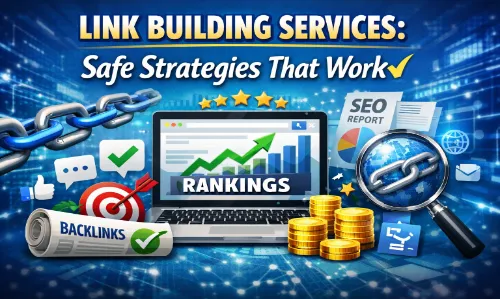
Link building services are still one of the most powerful ways to grow search visibility, but in 2026 the only sustainable way to build backlinks is to focus on safe strategies that work with search engines, not against them. When you combine ethical link building with solid SEO services, technical foundations, and useful content, you get rankings that survive core updates and AI-driven changes in search.
What Are Link Building Services?
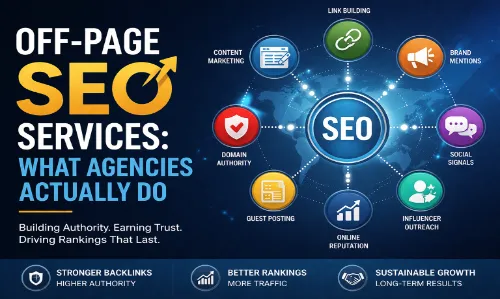
Link building services are agencies, consultants, or specialist teams that help you acquire high-quality backlinks from other websites to your own pages. They support bigger SEO programs that often include on-page SEO services, off-page SEO services, technical work, and ongoing content optimization.
A good provider does more than “sell links.” It builds a strategy around your site, often starting with a full SEO audit or even a deeper technical SEO audit to uncover crawl, indexability, and technical SEO issues that might limit the impact of new backlinks. Once the foundation is clean, safe link building amplifies everything else you do.
Because search engines now use advanced NLP (natural language processing) and entity understanding, context around each backlink is critical. This is why smart providers also think about internal architecture and internal linking that improves rankings before they scale external outreach.
Why Safe Link Building Strategies Matter
Not all backlinks are equal. Some can boost your rankings; others can trigger penalties or long-term suppression. Safe link building strategies focus on earning links in ways that comply with guidelines and match what SEO clients need to know about risk, quality, and expectations.
Safe strategies matter because:
- They protect your site from manual actions and algorithmic spam systems.
- They build long-term authority, which supports everything from category pages to SEO services for law firms and other regulated industries.
- They fit with how search teams evaluate campaigns, including SEO KPIs every business owner should track and ROI.
If you’re unsure where to start, it can help to compare white hat vs. black hat SEO link building and understand how backlinks affect domain authority and rankings before you commit to any service.
Tactics to Avoid: High-Risk Link Building
Safe providers know exactly what to stay away from. Risky tactics include obvious networks and any approach where you cannot evaluate the quality of backlinks before they go live.
Watch out for:
- Private blog networks and link farms that claim to be “exclusive.”
- Bulk packages from “cheap SEO services” that guarantee hundreds of links for a tiny fee. You can learn how these offers usually work in guides on cheap SEO services and why they’re rarely worth it.
- Over-optimized anchors pointing to thin or overstuffed content, instead of pages that follow content optimization vs. keyword stuffing best practices.
If a vendor leads with “guaranteed SEO services,” it’s wise to read more about what SEO services can and cannot guarantee before you sign a contract.
Core Principles of Safe Link Building Services
Regardless of specific tactics, safe link building services share the same principles.
- Relevance and intent alignment
Links come from content that matches your topic, search intent, and sometimes location. This might connect to local SEO services for small businesses or to niche-specific resources like SaaS SEO services for long sales cycles. - Technical readiness
Before scaling outreach, good providers ensure your site passes basic technical SEO services checks, including core web vitals for SEO and how page speed impacts SEO performance. - Balanced anchor text
Instead of forcing exact match anchors, safe campaigns spread use across branded, navigational, and problem-based phrases. They also ensure your on-page setup follows on-page SEO basics and a good on-page SEO checklist for service-based websites. - Transparency and expectations
Honest providers often share material similar to questions to ask before hiring SEO services and red flags to watch for in SEO companies, so you know exactly what you’re buying.
Safe Strategies That Work in 2026
1. Guest Posting on Real, Relevant Sites
Guest posting still ranks among the safest, most effective link building services when done on real sites with editorial standards. These placements work even better when they sit on top of strong content optimized according to content SEO services: strategy, writing, and optimization.
A typical process looks like this:
- Use keyword research services for lead generation and long-tail keywords for SEO services businesses to find topics real people search for.
- Map these topics to pages via keyword mapping for service pages and blogs.
- Pitch high-value content that supports both the host’s audience and your own topical authority, then link back naturally to relevant guides or landing pages.
When your own site is already aligned with search intent optimization for better rankings, these guest posts feel natural and helpful.
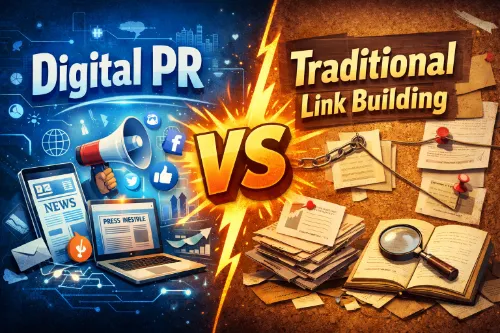
2. Digital PR vs. Traditional Link Building
Digital PR is one of the safest ways to earn high-authority backlinks at scale. Instead of trading links, you earn coverage. A useful way to think about this is to compare digital PR vs. traditional link building and pick tactics that match your brand and resources.
Digital PR works especially well for:
- Law firms that combine law firm content strategy for organic leads with newsworthy case studies.
- Medical brands that rely on medical content SEO and E-E-A-T best practices to build trust.
- SaaS companies using product-led SEO strategies for SaaS brands coupled with thought leadership.
These links strengthen brand entities and support AEO, making it easier for AI experiences to surface your site as a trusted source.
3. Linkable Assets and Content Clusters
Building linkable assets is another safe approach that pays off for years. To maximize impact, combine assets with structured SEO content planning for topical authority and blog clusters that support SEO service pages.
Examples:
- For eCommerce, align a large “ultimate guide” with eCommerce SEO services for online stores and detailed coverage of category page SEO best practices and product page SEO tips.
- For enterprises, produce deep resources connected to enterprise SEO services for large websites, including managing SEO for thousands of pages and enterprise technical SEO challenges and solutions.
Over time, you can refresh these assets following content refresh services for old website pages to keep them current and link-worthy.
4. Broken Link Building Done Right
Broken link building is a classic safe tactic when focused on real sites. It becomes more effective if your site has technically sound templates supported by technical SEO for Shopify, WooCommerce, and Magento or similar platform-specific work.
Combine this with:
- Insight from website SEO audit vs full SEO strategy to know which pages are worth pushing.
- Understanding what to do after an SEO audit so you fix issues before scaling outreach.
You’re then recommending your content as a replacement for broken resources on another site, which is helpful rather than manipulative.
5. Local & Partnership-Based Links
For local visibility, link building must integrate with broader local SEO services and your Google Business Profile optimization services. These campaigns often include:
- Citations guided by local citation building and local SEO ranking factors for multi-location brands.
- Industry-specific approaches such as local SEO for personal injury and family law firms, local SEO for dental clinics and healthcare providers, and local SEO for real estate property listings.
If you serve the Philippines, for example, a local SEO audit guide for Philippine businesses or a local SEO success story for a Philippine business gives you a blueprint for safe, GEO-targeted link acquisition.
6. Brand Mentions and Unlinked Citations
Mention reclamation is a low-risk way to turn existing brand visibility into backlinks. It pairs well with industry clusters—such as SEO services for medical websites or SEO services for real estate agencies—and with success stories like how a service business increased leads organically.
You first build exposure through content, PR, or partnerships; then you follow up where your name appears without a link and request that small update.
Connecting Link Building With the Rest of SEO
Safe link building is most effective when integrated with the rest of your SEO stack.
- Technical: Use resources like SEO wins from technical fixes alone to see how much performance you can unlock even before new backlinks arrive.
- Content: Align link campaigns with optimize landing pages for search engines and traffic vs leads thinking so you attract visitors who are likely to convert.
- Strategy: Decide whether you need monthly SEO services vs one-time SEO projects, what’s included in typical SEO packages, and how much SEO services cost.
For some brands, it’s enough to work with a SEO consultant vs SEO agency or even hire fractional SEO support for growing businesses to supervise link building and broader strategy.
Measuring Results and Setting Expectations
Safe link building is a long-term investment. You should expect slower, steadier growth rather than overnight jumps. Use frameworks like how to measure SEO ROI for your business and SEO reporting metrics clients actually care about to prove value over time.
To avoid surprises:
- Review how long SEO services take to work and why SEO is a long-term investment.
- Understand why rankings dropped even with SEO work and why some SEO campaigns fail, especially when shortcuts or bad links are involved.
- Explore examples like before and after SEO results and content-led SEO growth case studies so stakeholders see what “good” looks like.
If you’re a smaller brand trying to decide whether this is all worth it, check guides on are SEO services worth it for small businesses? and affordable SEO services for small business owners.
Choosing the Right Link Building Partner
The safest link building services operate like strategic partners rather than vendors. They typically sit inside broader offerings like link building services and commercial intent clusters that tie backlink acquisition directly to revenue goals.
When comparing providers:
- Use guides on how to compare SEO proposals from different agencies and how to choose the right SEO agency.
- Look for best SEO agency traits for long-term growth rather than short-term promises.
- Decide whether to hire an SEO consultant, a full agency, or something in between based on your internal team and budget.
Safe link building is not about tricks; it’s about aligning technical health, content quality, and ethical backlinks so your site can grow consistently—even as algorithms and AI search experiences evolve.
Frequently Asked Questions
1. How many backlinks do I actually need to see results?
There is no universal number of backlinks that guarantees rankings, because the “right” volume depends on your niche, competition level, and the strength of your existing site. Instead of chasing a fixed target, benchmark against the top-ranking pages for your main keywords and aim to match or slightly exceed their quality and relevance over time.
2. How long does it take for new backlinks to impact rankings?
Most safe link building campaigns start showing measurable impact within 2–4 months, but competitive industries can take longer. Search engines need time to crawl new links, reassess authority, and incorporate those signals into rankings, so expect gradual improvements rather than overnight jumps.
3. Are nofollow backlinks still useful?
Yes, nofollow backlinks can still be valuable even if they don’t pass the same level of ranking equity as dofollow links. They help diversify your link profile, send referral traffic, and reinforce brand presence across trusted publications and platforms.
4. Is reciprocal (link exchange) link building safe?
Limited, natural reciprocal linking can be fine, especially when two relevant sites reference each other genuinely. Problems arise when exchanges become systematic, large-scale, or purely transactional, which can look manipulative and lead to low-quality, risky backlinks.
5. Can I do link building myself instead of hiring an agency?
Yes, many businesses run successful in-house link building programs if they have time, outreach skills, and basic SEO knowledge. Agencies become valuable when you need scale, existing publisher relationships, and a proven process you don’t have to build from scratch.
6. What reports should I expect from a link building service?
At minimum, you should receive a list of live URLs, anchor text, target pages, and key quality signals such as relevance and estimated authority. Good agencies also share outreach volume, response rates, and commentary on what worked so you understand both results and process.
7. How do I know if my current backlinks are hurting my SEO?
Warning signs include many links from irrelevant sites, obvious link networks, spun content, or anchors that are aggressively keyword-stuffed. If you see these patterns alongside traffic drops or manual action notices, it may be time for a link audit and cleanup.
8. What’s the difference between “white hat” and “black hat” link building?
White hat link building focuses on earning links through useful content, ethical outreach, and compliance with search engine guidelines. Black hat methods rely on manipulation—such as buying links at scale or using automated spam—and can lead to penalties or long-term visibility loss.
9. How important is anchor text in modern link building?
Anchor text still helps search engines understand what a linked page is about, but over-optimization is a common mistake. The safest approach is to use a mix of branded, descriptive, and partial-match anchors that read naturally for users.
10. Should I pause link building during a site redesign or migration?
You don’t need to completely stop link building during a redesign or migration, but you should coordinate closely with technical SEO work. Make sure redirects, URL changes, and new information architecture are stable before heavily promoting new pages so you don’t waste hard-earned links.
11. Do AI-generated articles help or hurt link building?
AI-generated drafts can speed up content production, but they must be edited for accuracy, originality, and brand voice before outreach. Publishers and search engines both prefer human-reviewed content that adds real value, not generic AI text.
12. Is it safe to buy links if the sites look high quality?
Even when sites appear high quality, buying links violates search engine guidelines if there is no genuine editorial review. Occasional sponsored placements with clear relevance and strong content can be safer, but they should never be your primary tactic.
13. How often should I review my backlink profile?
Most sites benefit from a formal backlink review at least once or twice per year, and more often in highly competitive niches. Frequent audits help you spot spammy patterns early, disavow risky links, and refine your strategy.
14. Do image or infographic links still work?
Yes, visual assets such as images and infographics still earn links when they present data or concepts in a clear, shareable way. Just ensure you provide proper attribution instructions and host a descriptive page that people can link to, not just the file itself.
15. What’s the role of social media in link building?
Social media links are usually nofollow, but they help your content reach more people who might later link to it from blogs and publications. Active promotion on relevant platforms can amplify linkable assets and PR campaigns significantly.
16. Can negative SEO through spammy backlinks still hurt my site?
In some cases, large waves of spammy backlinks can correlate with ranking volatility, especially for smaller sites. Regular monitoring and using disavow files when necessary help neutralize most negative SEO attempts.
17. Should I focus on homepage links or deep links?
A healthy backlink profile includes both homepage links and deep links to specific resources, blogs, and product or service pages. Deep links often convert better because they send users directly to the most relevant content for their query.
18. Are directory submissions still relevant?
General web directories have little value today, but niche-specific, vetted directories and local listings can still be useful. Focus on sources that real users actually browse, such as industry associations or high-quality local citation platforms.
19. How do I align link building with my sales funnel?
Map target pages to funnel stages, then build links to content that supports awareness, consideration, and decision separately. This ensures your backlink efforts contribute to both traffic growth and measurable leads or sales.
20. What skills should my in-house team have to manage link building?
An effective in-house link building team needs research skills, persuasive writing, relationship-building, and basic analytics. Familiarity with SEO tools, prospecting methods, and ethical guidelines is also essential to keep efforts safe and effective.